
Reviewed · CRETE OLIVE OIL TOURS
Heraklion: Olive Farm Tour with Tasting of Local Delicacies
At Kleanthi, the olive oil lesson begins outside, among old trees, then moves into a modern mill where you can see the equipment used to press the fruit. The best part comes after the explanation: a generous tasting that pairs the farm’s oils with bread, cheese, fruit, honey and other Cretan foods.
I like two things in particular: you follow the oil from grove to mill, so the tasting has context, and the food pairing is substantial, not just a few drops of oil on a spoon. The experience costs about $23 per person, which makes it an appealing way to spend part of a day near Heraklion.
One point to plan around: you must get yourself to Skalani. Hotel pickup and drop-off are not included, and the narrow road to the farm calls for care if you are driving. The visit is also listed as valid for one day, but that does not mean a full-day program.
What makes this visit worth your time
- Old olive trees come first: Walk through the grove and hear about olive varieties, pruning, harvesting and the role of the trees in Cretan life.
- See the working mill: The tour explains the machinery and the steps that turn harvested olives into oil.
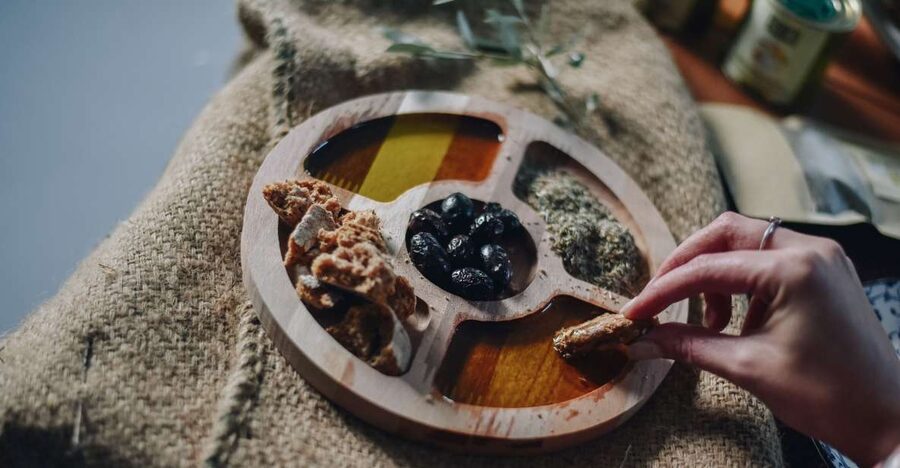
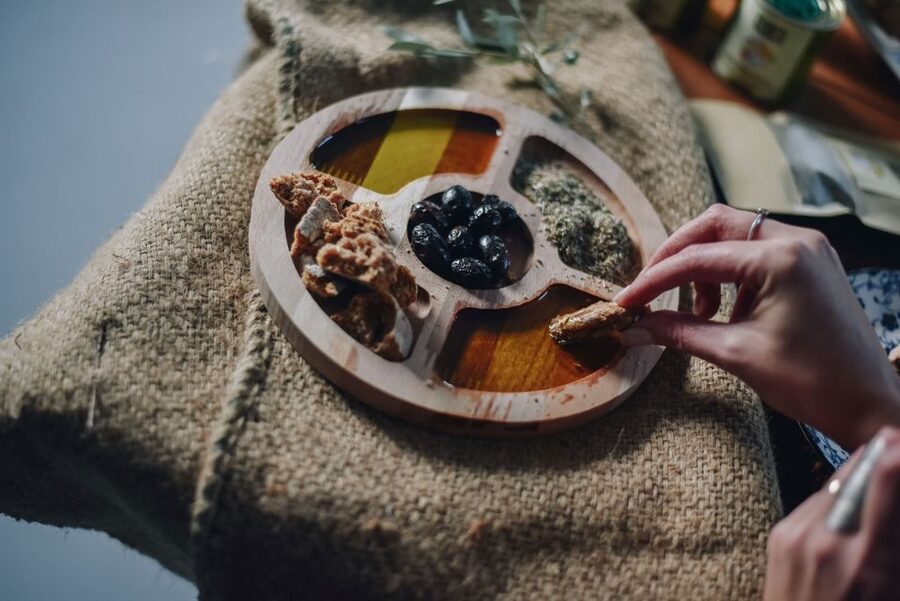
- Taste oil with real food: Bread, cheeses, fruit, honey, herbs and other local products give you practical ideas for using the oil.
- Guides make the process clear: Guides named in past visits include Mary, Theodora, Maria, John and Giannis. Your guide may be someone else.
- A strong value for food lovers: At $23, the guided visit and plentiful tasting can add up to much more than a quick sample.
- Plan your own transport: The farm is in Skalani, and taxi or car is the simplest option to arrange in advance.
Start among the olive trees
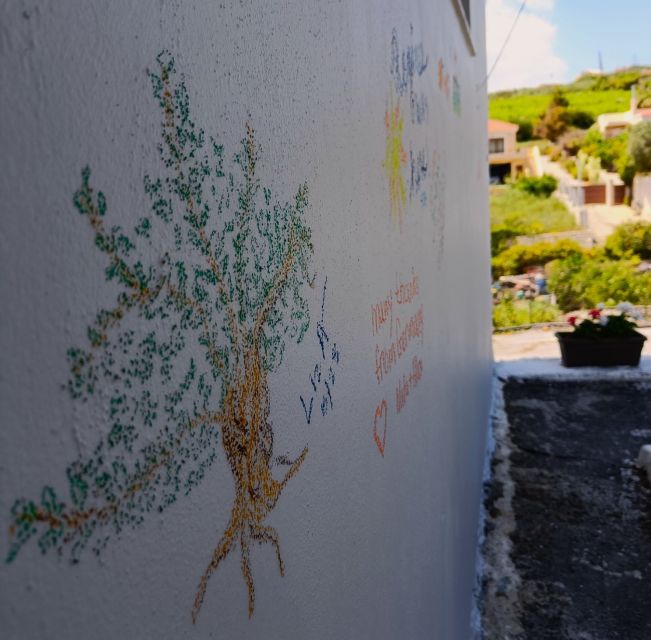
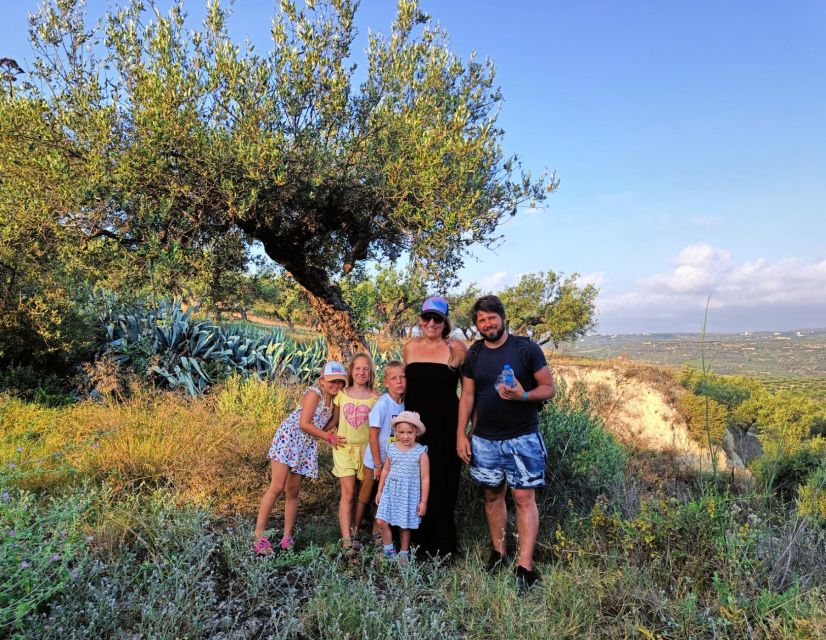
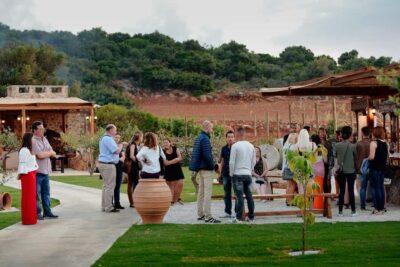
The visit begins at Kleanthi Olive Farm in Skalani, outside Heraklion. Rather than jumping straight to a tasting table, your guide takes you into the grove and explains what you are looking at. You hear about different olive varieties, how the trees are pruned, and how the crop is harvested.
That outdoor start is more than a pleasant photo stop. It helps connect the oil in your glass to the trees and the decisions made throughout the growing season. If you cook with olive oil, the details about cultivation and harvesting can make the finished product feel less like a supermarket staple and more like a crop shaped by place and care.
The grove also gives you a chance to ask questions in a relaxed setting. Guides have been described as patient and friendly, and visitors have been able to take photos along the way. Bring comfortable shoes, as advised, and expect to walk outdoors. The farm sits in the countryside, so the sun and heat can matter, especially in summer. A visitor on a hot August day still enjoyed the tour, but you will be more comfortable with water, sun protection and suitable footwear.
The olive trees are the most atmospheric part of the experience, but this is a working farm visit, not a long country hike. The walk is there to explain the crop, not to cover a large area. If you are looking for a scenic outing with extensive trails, this is not that. If you want a close look at how Cretan olive growing works, the short walk does its job.
More olive oil tastings around Crete:
- Crete: Quad Safari, Olive Mill with Tasting & Ghost Village
★ 4.9 · 1,004 reviews - From Chania: Olive Oil, Wine, Cheese & Honey Tasting Tour
★ 4.6 · 490 reviews - Crete: Road-trip to Lasithi Plateau & Olive Mill Farm
★ 4.4 · 420 reviews
Follow the crop into the modern mill
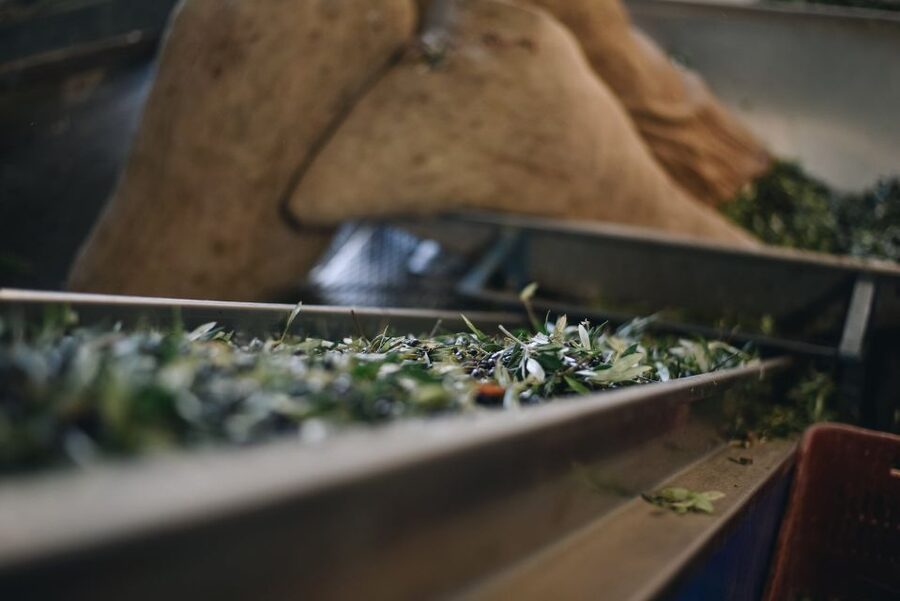
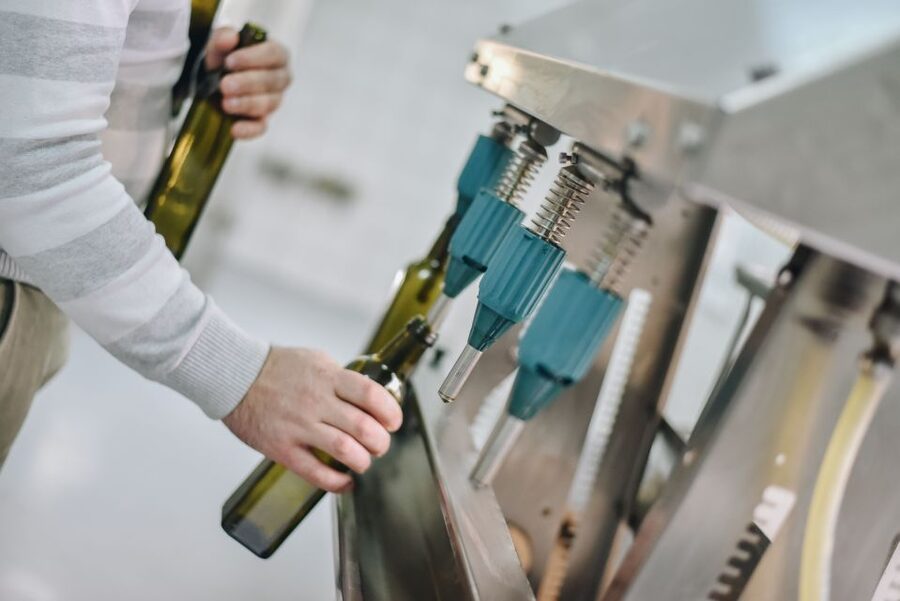
From the grove, the tour moves into Kleanthi’s olive mill. Here, the guide explains the extraction process and points out the equipment used to transform olives into oil. The machinery is modern and automated, giving you a useful contrast with the old trees outside.
This part answers the questions that a tasting alone cannot. What happens between harvest and bottle? Why does careful processing matter? What are the stages involved? The guide explains the production steps in plain language, and some visits also include a short video about olive harvesting. The video adds context without turning the visit into a lecture.
The mill is a practical stop, especially if you have never seen olive oil production up close. You do not need to be an agricultural expert to follow along. The point is to understand the basic process and see the machines that carry it out. Guides have answered questions throughout the visit, so bring the ones you have rather than saving them for later.
There is one seasonal caveat worth keeping in mind. The experience promises a look at the mill and an explanation of extraction, but it does not say that you will see olives being pressed during your visit. A tour of the equipment is still useful, but do not book expecting a live harvest or a specific production schedule.
Sit down for the Cretan tasting
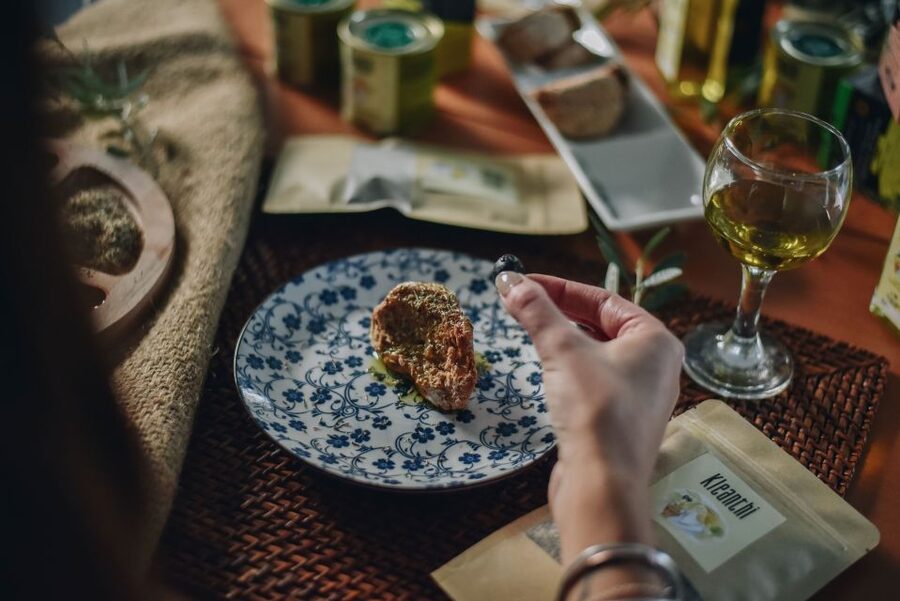
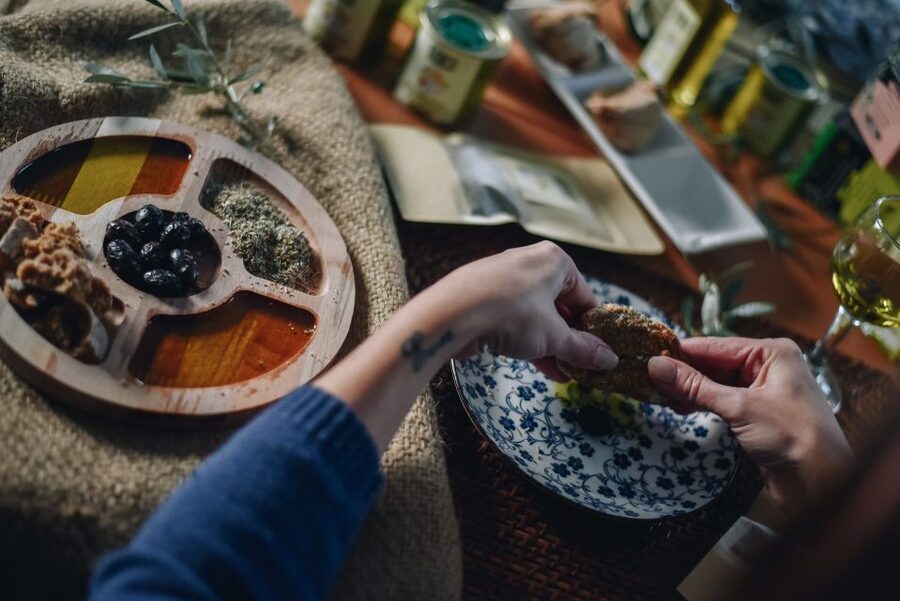
The tasting is the reward at the end of the tour, and it is a meal-sized spread for many people. You sample Kleanthi olive oil with foods such as bread, cheese, fruit, vegetables, olives, honey, herbs, yogurt and ham. The exact items may vary, but the idea is consistent: try the oil alongside local ingredients and learn which flavors work well together.
This is not simply a technical tasting where you sniff and sip oil in isolation. You get to dip, pair and compare. Guides can explain how herbs and other flavors complement the oil, making the session useful if you want to bring home a bottle and use it well. Honey and grape vinegar have also featured in tastings, alongside an array of regional foods.
Portions are generous enough that several people have found the tasting satisfying as lunch. If you are arriving hungry, that is a welcome bonus. If you have a restaurant meal booked soon afterward, keep the spread in mind and consider eating lightly beforehand. The tour includes an olive oil tasting menu, water and refreshments.
The food also turns the visit into a small introduction to Cretan cooking. You taste the oil in combinations that are easy to recreate at home, rather than leaving with only a general impression that it was good. That practical value is a big part of why I rate the tasting so highly.
How much time to allow
The activity is listed as lasting one day, but that is a validity period, not a promise of a full day of touring. One visitor described the guided walk and mill portion as about 20 to 25 minutes, followed by the tasting. The total time at the farm will depend on the schedule, the pace of the group and how long you linger over the food.
I would treat this as a compact outing rather than a major day trip. It can fit into a day of sightseeing around Heraklion, and one visitor noted that Knossos was about an eight-minute drive away. That makes the farm a natural pairing with a visit to the palace if you have a car and want to combine cultural history with a taste of local agriculture.
The tour is guided in English. Small groups have been noted on visits, although a particular group size is not guaranteed. That can make it easier to hear the explanation and ask questions, but you should not assume that every departure will be the same size.
More food and drink stops around Crete:
- Crete: Sunset or Morning Quad with Local Products Tasting
★ 4.9 · 1,135 reviews - Chania: Old Town Highlights Guided Tour with Street Food
★ 4.9 · 407 reviews - From Chania: Wine and Olive Oil Tasting Tour with Snacks
★ 4.8 · 354 reviews - Walking “Food tasting tour” in the town of Chania
★ 5.0 · 297 reviews
Getting to Kleanthi in Skalani
Kleanthi Olive Farm is in Skalani, Heraklion, and you should look for road signs marked Kleanthi. Hotel pickup and drop-off are not included, so plan how you will reach the farm before booking.
A rental car is a straightforward option if you are already driving around Crete. There is parking space at the farm, but the final road or track is narrow. Take it slowly, especially if you are not used to small rural roads. A taxi is another option; a visitor arriving from the cruise port found it easy by taxi.
Public transport needs more checking. One visitor reported that buses did not run all the way to the farm on a Sunday, so a taxi or other ride was needed for the final stretch. Do not assume a bus will take you directly to the entrance. Check current routes and timing for your travel date, and leave room for a taxi if necessary.
The farm is wheelchair accessible, according to the activity information. If you have specific access needs, contact the provider before you go to confirm that the route and facilities fit your requirements.
Is $23 good value?
At about $23 per person, this is a strong-value activity if you care about food, farming or local production. You get a guided walk, an explanation of the mill, and a substantial tasting of oil and regional foods. The food is a meaningful part of the price, not a token nibble after the tour.
The visit also offers something different from a standard city excursion. Heraklion has major historic sites, but a farm tour shows another part of Crete: the work behind one of its defining foods. You leave with a better sense of how olive cultivation and milling fit together, plus some practical tasting knowledge.
There is a shopping stop at the end, where you can buy olive oil and other local products. That is optional, and the opportunity makes sense after tasting the products for yourself. One visitor found the prices reasonable, but you should buy only if you want to take something home. The tour’s value does not depend on making a purchase.
At this price, I would not expect a long, highly technical course on oil grading or a full working-day experience. The appeal is a friendly introduction, a look at the farm and mill, and a generous food pairing. If that is what you want, the cost is easy to justify.
Who will enjoy this tour most
This is a good fit for curious eaters, home cooks, families with an interest in food production, and anyone who wants a short countryside outing near Heraklion. It also suits visitors who enjoy meeting local producers and learning how a familiar ingredient is made.
You do not need prior knowledge of olive oil. The tour is designed to explain the process from the trees through milling and tasting. The relaxed format and chance to ask questions make it approachable for beginners.
If you are traveling with a cruise stop in Heraklion, the farm can work as a food-focused excursion, particularly if you arrange a taxi. If you are combining it with Knossos, a car makes the connection easier. Allow enough time to get there and back, since transport is your responsibility.
This may not be the right choice if you want a full-day itinerary, a long hike, or a guaranteed live pressing demonstration. It is also less convenient if you are relying on public transport without checking the route first. Think of it as a compact, hands-on look at Cretan olive oil, followed by a very good snack.
Should you book Kleanthi Olive Farm?
Book it if you want to understand how olive oil is made and would enjoy tasting it with local foods rather than sampling it alone. The grove, modern mill and generous spread give the visit a clear beginning, middle and finish, all for a modest price.
Skip it if you need transport included or want a full day of activities. Otherwise, Kleanthi is an easy choice for a food-minded stop near Heraklion. Arrange your ride, wear comfortable shoes, and leave room for the tasting.
FAQ
Where is Kleanthi Olive Farm?
The farm is in Skalani, Heraklion, Crete. Look for road signs marked Kleanthi.
How much does the tour cost?
The listed price is $23 per person. Prices can change, so check the available booking details for your date.
What language is the tour in?
The live tour guide speaks English.
What will I see during the visit?
You will visit the olive grove, hear about cultivation and harvesting, explore the olive mill and learn about the extraction process.
What food is included in the tasting?
The tasting pairs olive oil with local foods such as bread, cheese, fruit, vegetables, olives, honey, herbs, yogurt or ham. The selection may vary.
Is the tasting enough for lunch?
The portions have been substantial enough for some people to count as lunch. If you have a meal booked soon afterward, plan accordingly.
Is transport included?
No. Hotel pickup and drop-off are not included, so you need to arrange your own transport to the farm.
Is the farm wheelchair accessible?
The activity information describes the farm as wheelchair accessible. Contact Kleanthi directly if you need to confirm details for your visit.
What should I bring?
Wear comfortable shoes for the walk through the olive grove and mill area.
More farm visits around Crete
- Crete: Knossos, Lasithi, Lasinthos and Olive Farm Combo Tour
★ 4.5 · 351 reviews - Moires: Cooking Class and Olive Oil Tasting at a Family Farm
★ 5.0 · 93 reviews - Kleanthi Olive Farm: Guided Tour with Local Delicacies Tasting
★ 5.0 · 51 reviews - Rethymno 4×4 Safari: Tastes & Farm Experience
★ 4.9 · 23 reviews
Just added around Crete
- South Crete: Small group Full Day/ Sunset Sailing & Lunch★ 4.5 · 28 reviews
- Preveli Beach and Damnoni Kourtaliotikowaterfalls from Rethymno★ 5.0 · 23 reviews
- Full Day 4×4 Self-Drive Safari Tour in Crete with BBQ Lunch★ 5.0 · 68 reviews
- Small Group Sailing Cruise from Agios Nikolaos in Mirabello Bay★ 5.0 · 21 reviews
- Snorkeling Trip to Kourtaliotiko Gorge Waterfalls, Plakias, Crete★ 4.5 · 64 reviews
- Private Vehicle & Driver from Chania – Customizable Tour★ 5.0 · 23 reviews
- Knossos & Archaeological Museum Shared Guided Tour from Chania★ 5.0 · 41 reviews
- Crete Introductory Scuba Diving Experience★ 4.5 · 9 reviews
Crete Olive Oil Tours, compared.
Knossos-Zeus Cave -Old Traditional Villages-Olive Oil Factory
Read our review →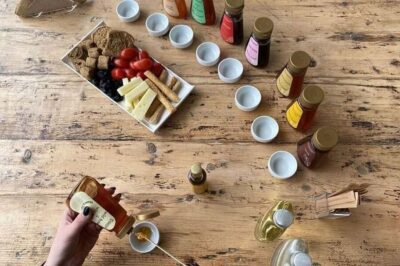
Zeus Cave, Lassithi Plateau, Olive Oil Factory, Kritza, Pottery
Read our review →
Knossos, Lasithi, Lasinthos and Olive Farm Combo Tour
Read our review →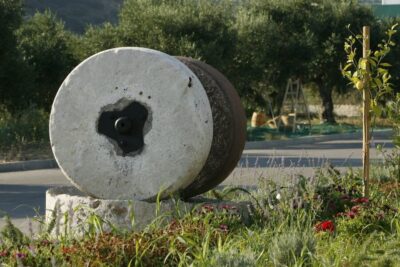
Browse the lists this tour appears in