
Reviewed · CRETE OLIVE OIL TOURS
In Crete Discover the miracle of Olive Oil and Organic Fruits
In the Chania countryside, olive oil is more than a souvenir in a bottle. This private tour traces its story from a modern factory to an old mill, then to a living olive tree said to be at least 2,500 years old. That tree is the day’s most unusual stop, though its exact location is kept undisclosed.
I like the contrast between three periods of olive-oil production and the chance to visit a working farm, where a farmer can explain the daily routine behind the crop. I also like that the route leaves the city for small villages and open views across Chania’s mainland.
The main consideration is the pace: seven stops fill a 6-to-7-hour day, and lunch and drinks are not included. You’ll want to be comfortable spending much of the day on the move, with time set aside for explanations, tasting, and photo stops.
- Compare three eras of olive oil: See contemporary production, an earlier mill, and a monastery’s olive-oil operation.
- Taste organic extra virgin olive oil: A tasting is included at the modern factory.
- Visit a private fruit and olive farm: Learn about varieties and farming routines, and pick fresh fruit from the tree.
- Stand beside an ancient olive tree: The tour describes it as possibly the world’s oldest, with an estimated age above 2,500 years.
- See villages and countryside beyond Chania: The route includes Apokoronas, Vryses, and a viewpoint at Malaxa.
- Keep the day private: Only your group joins, with central Chania hotel pickup and drop-off offered.
A day built around olive oil, not just a tasting
This is a countryside outing with olive oil as its thread. Rather than stopping at one producer and heading back, you get several different angles on the crop: how olives are processed today, how they were pressed in the past, and how farming still shapes local life.
The tour is private, so the day is limited to your group. That matters on a route with several stops. You can ask questions as you go, and the guide can speak to your group rather than managing a larger crowd. The tour pairs an experienced farmer and olive-oil producer with a licensed historian guide and driver, a useful combination for understanding both production and local context.
The stated tour length is about 6 to 7 hours, with an 8:30 am start. The seven listed stop times add up to just over six hours, before allowing for the drives between them. Expect a full day rather than a quick excursion, and keep the rest of your schedule light.
The modern mill in Vamos
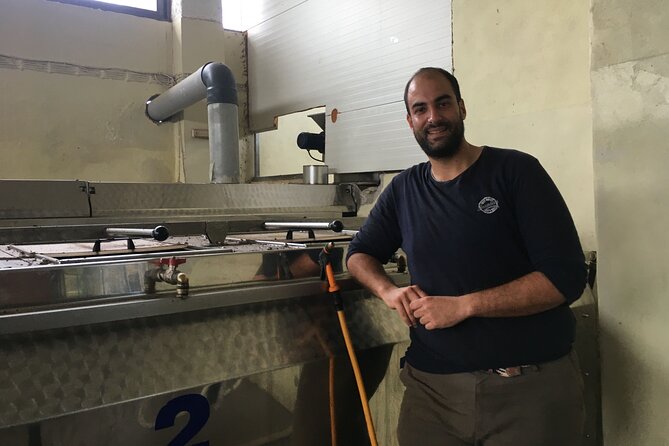
The first stop is a contemporary olive-oil factory in Vamos. You’ll hear about the steps involved in turning olives into extra virgin olive oil, learn about its qualities and byproducts, and taste fresh organic oil.
This is the most direct introduction to the subject. If you’ve ever wondered what separates one olive oil from another, the factory visit gives you a place to begin asking questions. The tour does not specify particular varieties or tasting notes, so think of the tasting as a chance to sample the local product rather than a formal tasting class.
A factory visit can feel less intimate than meeting a grower among the trees. Here, it earns its place by showing how production works now. Keep this first stop in mind when you reach the older mill: the contrast between the equipment and methods will help the history make sense.
The visit lasts about an hour. Admission is included, and the tasting is part of the tour.
More olive oil tastings around Chania:
- Crete Wine and Olive Oil Tour
★ 5.0 · 272 reviews - Wine & Olive Oil Tour with Lunch at Milia Mountain Retreat
★ 5.0 · 194 reviews - Wine & Olive Oil Tour with Lunch – Semi Private Safari Tour
★ 5.0 · 156 reviews
An earlier method at the Vryses olive mill
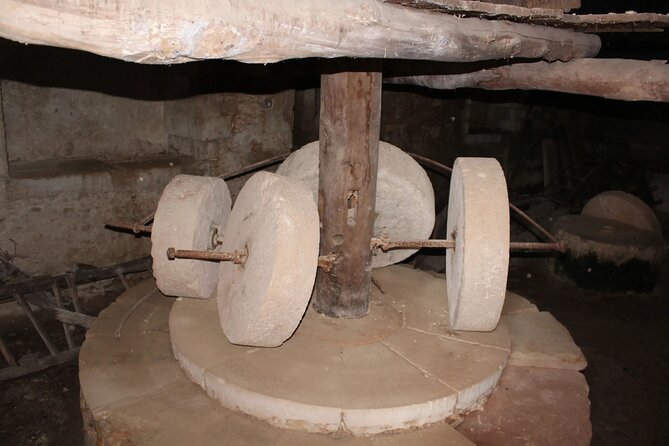
In Vryses, you visit a traditional mill and see the machinery used in earlier centuries. The guide explains the extraction process and the labor it required.
This stop supplies a practical contrast to the modern factory. Instead of hearing only that production has changed, you can look at the old equipment and get a sense of how demanding the work was. The listed visit is 30 minutes, so it is a compact stop rather than a long museum visit.
The tour gives you three production stages across the day, though the itinerary identifies the modern factory, old mill, and monastery operation as its main comparisons. That structure is a strong reason to choose this outing if olive oil interests you beyond its place at the table. If your main priority is a long visit inside a single working mill, this route spreads its attention across several places instead.
Farm life among fruit and olive trees in Kalyves
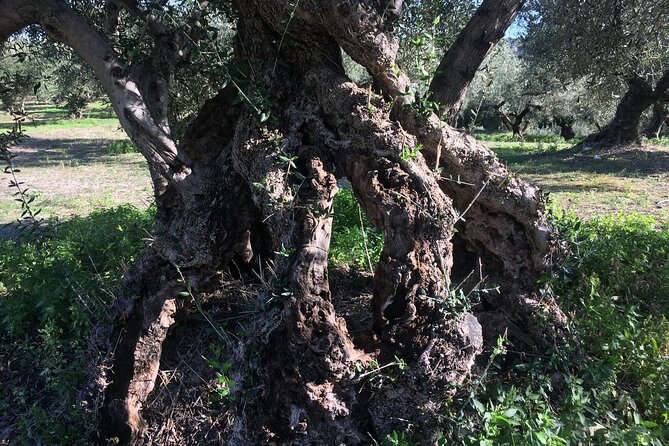
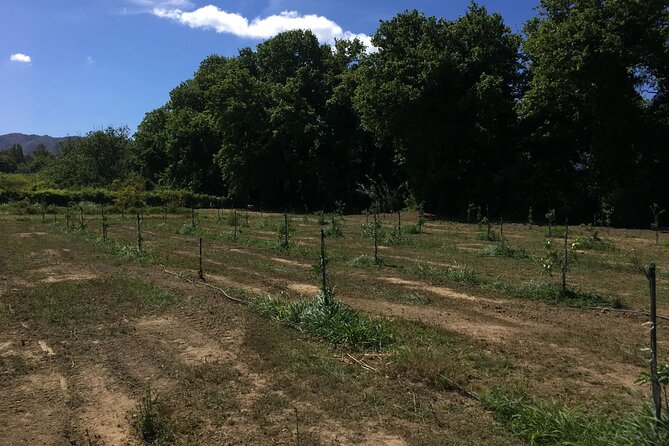
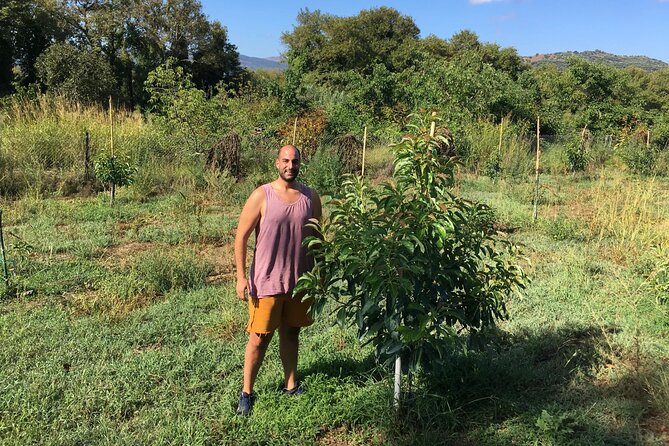
At a private farm in Kalyves, a professional farmer talks about olive varieties, daily work, and the rhythms of olive-oil production. You can also collect fresh fruit directly from the tree.
This is likely to be the most hands-on stop. A factory can explain a process, but a farm puts the crop in context: the trees, the fruit, and the work that continues around harvest and production. The tour does not specify which fruits are available or when, so the exact picking experience may depend on what is growing at the time.
The farm visit lasts about an hour. I like that it gives you a chance to connect the finished oil with the people and land behind it, instead of treating the product as something that begins at the factory door. You’ll also have time to ask the farmer about the routines that interest you most.
The old olive tree near Tsivaras
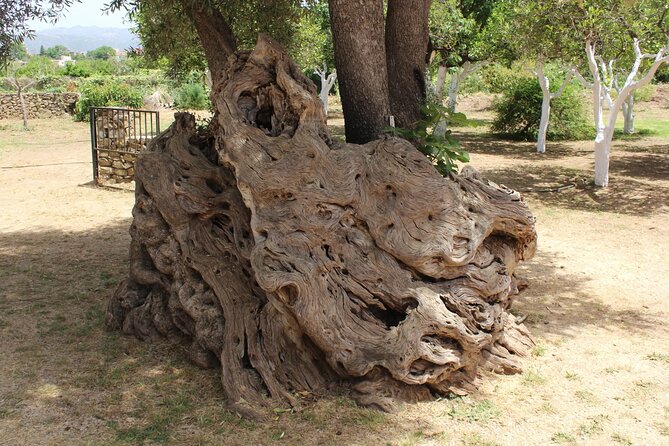
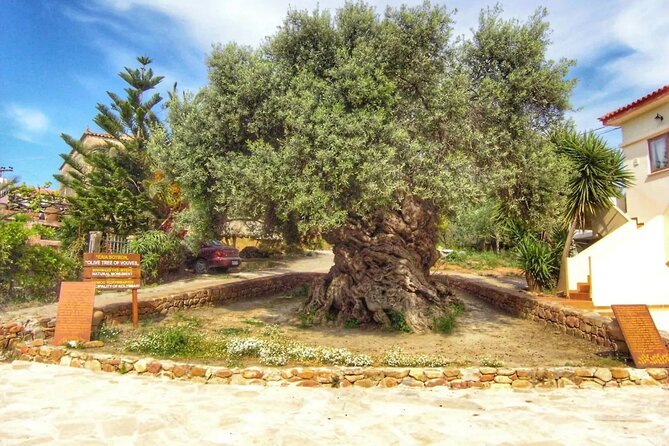
The tour’s most striking claim is its visit to a very old olive tree in an undisclosed location near Tsivaras. The tree is described as more than 2,500 years old, and the tour also presents it as a 3,000-year-old tree and a possible contender for the oldest in the world.
Take the wording seriously: it is presented as possibly the oldest, not as a settled world record. Even with that qualification, standing beside a living tree of such age is a rare way to connect with Crete’s long relationship with olive growing. You can see its size up close and touch the tree.
The stop is scheduled for about an hour, which gives it more weight than a quick roadside photo. Its location is undisclosed, so you should not expect to navigate there independently or be given a public address in advance. The guide leads the visit.
More trips and days out around Chania:
- From Kissamos Port: Boat Cruise to Balos Lagoon & Gramvousa
★ 4.2 · 6,755 reviews - From Chania: Full-Day Samaria Gorge Trek Excursion & Guide
★ 4.6 · 3,191 reviews - Cretan Safari – 4×4 Adventure to Preveli Beach with Lunch
★ 5.0 · 780 reviews - Elafonissi Beach Day Trip from Chania -Stop in Elos Village
★ 4.5 · 744 reviews
A monastery and its olive-oil operation in Apokoronas
The route continues through Apokoronas to a monastery connected with olive-oil production. You’ll see its oil factory and hear how important olive oil has been to local life over the years.
This stop adds a community and religious dimension to the day. The tour does not give the monastery’s name or describe its architecture, so the focus is on the connection between the institution and oil production, rather than a detailed architectural visit. Allow about an hour here.
That distinction is useful when deciding if this tour suits you. It is not simply a series of scenic stops or a monastery tour with an oil tasting attached. The subject stays consistent, but each place frames it differently: industrial, historical, agricultural, and local.
A riverside pause in Vryses
Later, you stop again in Vryses, this time for a break in the village by the river. The scheduled stop is 50 minutes, giving the day a slower interval between visits.
Lunch and drinks are not included, and the tour specifically notes that they are not provided at the private stops. Plan to buy your own food or drink during the break if you need it. The information does not specify what is available in the village, so it is sensible to bring any essentials you know you’ll want.
This pause is also a chance to reset. The day contains a lot of explanation and several transitions, and a village break is welcome after the more focused mill and farm visits. Keep in mind that it is still part of a guided itinerary, not an open-ended afternoon.
The wide view from Malaxa
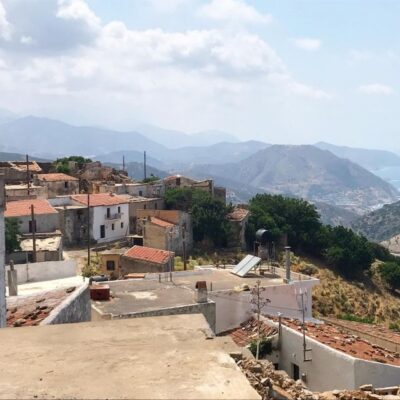
At Malaxa, you stop for views over valleys, villages, and the wider Chania region. The visit is listed as a 45-minute sightseeing stop, with time to take photographs.
This is the day’s change of pace. After hearing about equipment, crops, and production, you get a broader view of the countryside the tour has been exploring. The viewpoint helps tie the stops together: the villages are not isolated attractions, but part of a larger rural region.
The tour does not specify the exact viewpoint or guarantee particular weather or visibility. If clear views matter to you, remember that conditions can vary. Still, the stop adds something a factory-and-farm tour alone would not: time to take in the scale of the Chania mainland.
What the price includes, and what it does not
At $179.43 per person, this is a substantial day trip, but the price covers more than a driver and a single tasting. You get private transportation, hotel pickup and drop-off from central Chania areas, a farmer and olive-oil producer, a licensed historian guide and driver, several visits, an organic olive-oil tasting, and access to countryside stops that would be difficult to combine efficiently on your own.
The private format is a key part of the value. You are not paying for a seat in a large group, and only your party takes part. That can make a difference when you want to ask detailed questions or move through a subject at your own pace, though the tour still follows a full-day route.
Meals and drinks are extra. There is a village break, but no lunch is included, so factor that into your budget. Also consider the opportunity cost: if olive oil is only a passing interest, you may prefer to spend the day on a different kind of excursion. If you want to understand how it is made and why it matters locally, the range of stops gives the price a clearer purpose.
The tour averages 79 days advance booking. That is a useful signal to plan ahead, especially if your Chania dates are fixed, though it does not guarantee that every date sells out.
Who should book this Chania tour?
I’d put this tour high on the list for anyone curious about olive oil, rural Crete, or the connection between food and farming. It also suits visitors who prefer a private outing with a guide rather than piecing together distant villages and production sites on their own.
The mix of a modern factory, traditional mill, private farm, monastery, ancient tree, village break, and viewpoint should appeal to people who like variety within a clear theme. It is also offered as a shore excursion from Chania and Souda cruise ports, which makes the private transport especially practical for cruise schedules. Check your available time against the stated 6-to-7-hour duration before booking.
You may want to choose another outing if you are looking for a relaxed half-day, a meal included in the price, or a tour focused on one site in depth. This day is broad by design, and lunch is on your own.
Booking details to keep in mind
Pickup is offered from central Chania areas, and the tour can also serve Chania and Souda cruise ports. The start time is 8:30 am, and the experience is private. Most people can participate, according to the tour information, but specific accessibility details are not provided, so ask the operator if you have mobility concerns.
Free cancellation is available up to 24 hours before the start time for a full refund. Changes or cancellations made less than 24 hours before the start are not accepted for a refund. The cut-off follows local time.
Should you book it?
Book this if you want a full day that explains olive oil from tree to mill, with the added pleasure of village stops and a very old living tree. The strongest reason to go is the variety: modern production, historical machinery, farming, and local context all fit into one private route.
Skip it if you want a short outing, a hosted lunch, or a tightly focused visit to one producer. For an olive-oil enthusiast or a curious visitor who wants to see more of Chania’s mainland, this is a distinctive and useful way to spend the day.
FAQ
How long is the tour?
The tour lasts approximately 6 to 7 hours. It starts at 8:30 am.
Is this a private tour?
Yes. Only your group participates.
Is hotel pickup included?
Pickup and drop-off are included from central areas of Chania. The tour is also available as a shore excursion for Chania and Souda cruise ports.
Is olive oil tasting included?
Yes. You taste fresh organic extra virgin olive oil at the modern factory in Vamos.
Is lunch included?
No. Lunch and drinks are not included, including at the private tour stops.
How old is the olive tree?
The tree is described as more than 2,500 years old and also presented as a 3,000-year-old tree. The tour calls it possibly the oldest olive tree in the world, rather than stating that its record is certain.
Just added around Chania
- From Chania Private half day Winery-Olive factory-Kournas lake★ 5.0 · 50 reviews
- Winery Tour and Kourna’s Lake from Rethymno★ 5.0 · 4 reviews
- Wine, Dine & Divine: A Cretan Odyssey in Chania.★ 5.0 · 5 reviews
- Wine Tasting: Meet the Cretan Vineyard at West Chania★ 5.0 · 22 reviews
- Wine, Beer, Olive Oil Tasting Private Tour (price per group of 6)★ 5.0 · 4 reviews
- Minoan Crete from 3.000 BC: Knossos Palace & Museum with Wineries from Chania★ 5.0 · 6 reviews
- Wine & Olive Oil Tour with lunch at the White Mountains★ 5.0 · 71 reviews
- Cruise Ship Guest Beer & Food Tour – Chania Old Port★ 5.0 · 26 reviews
Crete Olive Oil Tours, compared.
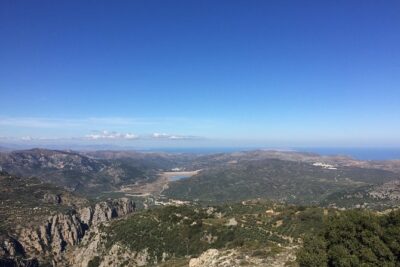
Knossos-Zeus Cave -Old Traditional Villages-Olive Oil Factory
Read our review →
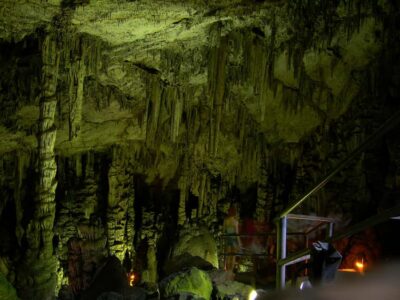
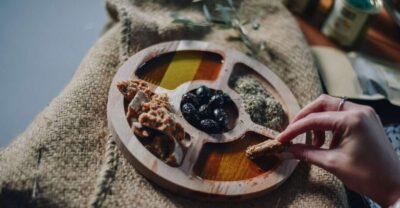
Olive Farm Tour with Tasting of Local Delicacies
Read our review →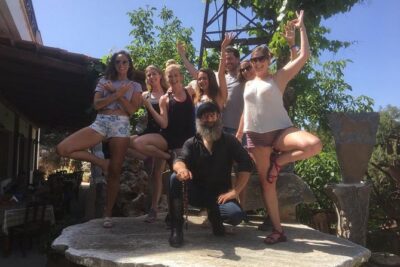
Zeus Cave, Lassithi Plateau, Olive Oil Factory, Kritza, Pottery
Read our review →
Knossos, Lasithi, Lasinthos and Olive Farm Combo Tour
Read our review →Browse the lists this tour appears in