
Reviewed · CRETE PRIVATE TOURS
Chania Monasteries Private Tour: A Greek Orthodoxy Tribute
Chania’s religious history is not confined to grand churches. This private tour reaches an old underground church, Byzantine-era ruins, remote monasteries and a whitewashed chapel above the Aegean. The setting shifts from archaeological remains to working monastic grounds, with a historian to explain what you’re seeing.
I like the chance to visit places that are difficult to find on your own, including a church complex from the Proto-Byzantine era and an abandoned monastery site. I also like the private format: the guide can adapt stops to your interests, and past groups have had time to linger rather than hurry from one church to the next.
The main consideration is the length and subject matter: this is a 7.5-hour day focused on Orthodox Christian history, with a village break but no included restaurant lunch. Monastery visits also call for suitable clothing, and entrance fees are not included.
At a glance
- An underground church dedicated to St. Spyridon adds an unusual stop to a day of monasteries and chapels.
- A historian specializing in Byzantine archaeology explains church remains, ritual and monastic life.
- Akrotiri’s secluded monasteries bring mountain roads, cultivated land and quiet religious sites into the itinerary.
- A traditional village break gives you time for coffee and questions before the second part of the route.
- Private transport and flexible stops make this a more personal outing than a large-group coach tour.
- Plan for extra costs: drinks and meals at stops, along with entrance fees, are not included.
Why Chania’s monasteries reward a full day
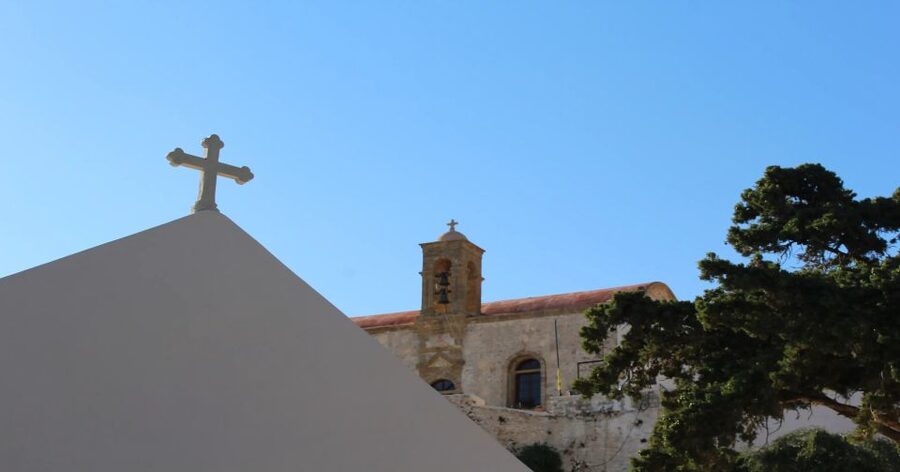
This is not a quick tour of one famous monastery. It follows a broad arc through the Christian heritage of Chania, from church ruins and old religious sites to active monasteries and isolated chapels. The guide’s background in Byzantine archaeology gives the day a historical thread, while the changing locations help keep the subject grounded in the Cretan countryside.
You’ll also hear about the older religious world that preceded Christianity. As the route heads east, the guide discusses ancient Greek deities, including the twelve gods of Mount Olympus, and their connection to agriculture and people’s prosperity. That context helps explain how religious belief has been tied to daily life on Crete across different eras.
The tour is provided by Proper Cretan Guide and runs for about 7.5 hours, starting and ending in Chania. It is a private group experience, so you are not following a busload of strangers through a fixed script. The guide can make diversions or adjust stops to suit your interests, within the day’s route and timing.
More private tours around Chania:
- Wine & Olive Oil Tour with Lunch – Semi Private Safari Tour
★ 5.0 · 156 reviews - Private Boat Trip Kissamos Balos (price per group – up to 10 people)
★ 5.0 · 143 reviews - PRIVATE Walking Tour with Lunch and Wine Tasting by a Sommelier
★ 5.0 · 113 reviews
Church ruins introduce the Byzantine story
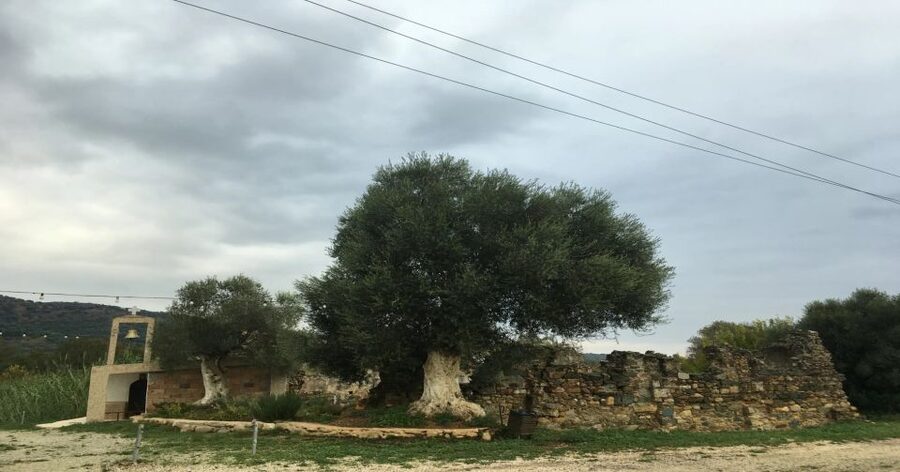
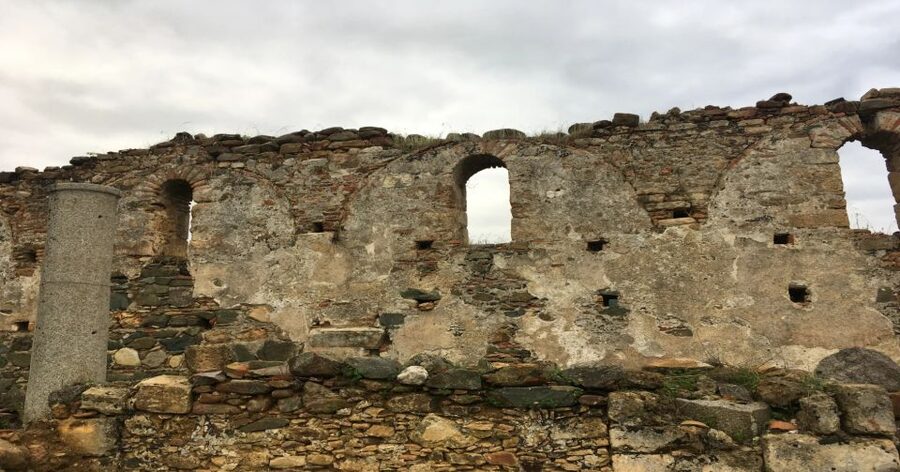
The first substantial visit is to the remains of an little-known church complex in the Chania region. Rather than entering a finished church, you wander among ancient remains while the historian explains early Orthodox doctrines and how the divine liturgy was carried out.
This is an especially useful opening for anyone who wants more than a procession of pretty buildings. Ruins can be hard to read without context, and a guide trained in Byzantine archaeology can help connect the surviving structure to the religious practices once held there. The complex is described as dating to the Proto-Byzantine era, making it one of the day’s oldest sites.
The stop is also a reminder to keep expectations practical. An archaeological ruin is not the same as a restored church with a complete interior, and the appeal lies in the interpretation as much as in the remains themselves. If you prefer active religious spaces to archaeological sites, tell the guide; the private format allows room to discuss your interests.
A monastery, an old olive mill and the countryside
The route continues toward eastern Chania and a monastery dating to around 1600. Here the guide explains the church’s altar, Byzantine architectural details and the rituals and celebrations associated with Cretan monasteries. The visit puts Crete’s long connection with the Byzantine Empire into a local setting.
A nearby abandoned olive mill adds a practical layer to the religious story. Olive oil production was laborious, and the mill helps show how church property and donations supported institutions that served poorer rural communities. This is a helpful change of pace from looking at icons and church architecture: the tour connects faith with work, land and economic survival.
The day includes a stop in a traditional Cretan village for a break of about an hour. Coffee is part of the plan, and it is also a natural moment to ask the guide questions that came up earlier. A boxed snack is included, with water, a banana, an apple and chocolate, but a full lunch and drinks purchased at stops are not.
The rare underground church of St. Spyridon
One of the tour’s distinctive promised sites is an old underground church dedicated to St. Spyridon. Underground churches are uncommon enough to make this a memorable change from the more familiar monastery visits, though the exact conditions inside and the time spent there are not specified.
The tour also includes churches and chapels in remote settings, where the surroundings matter as much as the buildings. You may find these quieter places more affecting than a large, well-known religious complex. They offer space to consider how people worshipped away from the main towns and how hermits and ascetics made use of caves and secluded ground.
The guide’s job here is to provide context without turning every stop into a lecture. In the private format, you can ask about the saint, the church’s history or Orthodox practice as the visit unfolds. If religious tradition is new to you, say so; the tour’s appeal is partly that the guide can explain unfamiliar customs in plain terms.
More trips and days out around Chania:
- From Kissamos Port: Boat Cruise to Balos Lagoon & Gramvousa
★ 4.2 · 6,755 reviews - From Chania: Full-Day Samaria Gorge Trek Excursion & Guide
★ 4.6 · 3,191 reviews - Cretan Safari – 4×4 Adventure to Preveli Beach with Lunch
★ 5.0 · 780 reviews - Elafonissi Beach Day Trip from Chania -Stop in Elos Village
★ 4.5 · 744 reviews
Akrotiri’s active monasteries and mountain passages
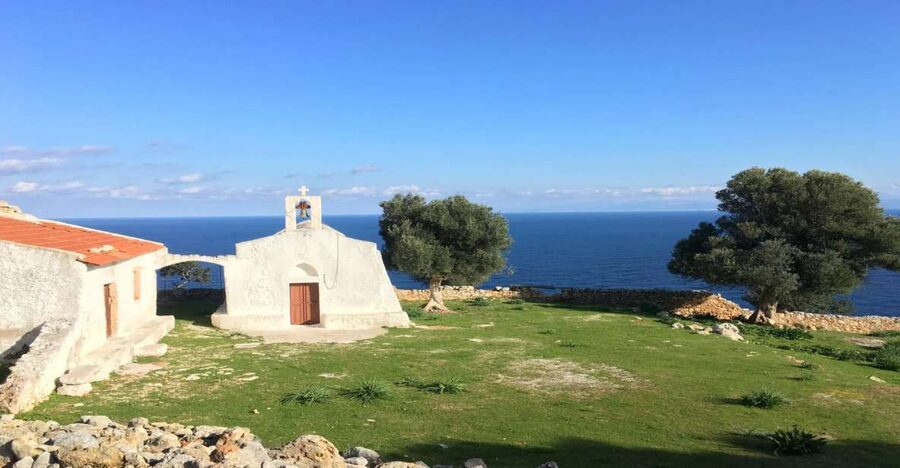
The second half of the day heads toward Akrotiri, a mountainous area northeast of Chania known for monasteries and monastic tradition. The route passes through narrow mountain passages and cultivated lands associated with the monasteries. Expect a marked change from the town: the sites are remote, the views broaden, and the pace is shaped by the drive between stops.
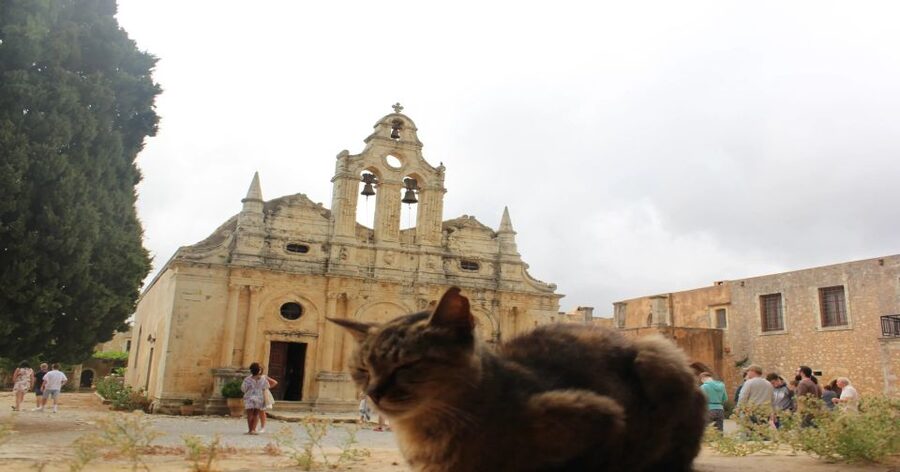
Two active monasteries are included. They are described as carefully maintained and set in striking surroundings, with Christian relics and cultivated grounds. You may see monks carrying out their daily duties, a chance to understand monastic life as work and routine, not only as a subject of architecture or devotion.
The tour presents these as living religious places, so respectful conduct matters. Keep your voice low, follow the guide’s instructions and be prepared for limits on photography inside churches. The supplied information does not set out specific photography rules, so ask at each site rather than assuming.
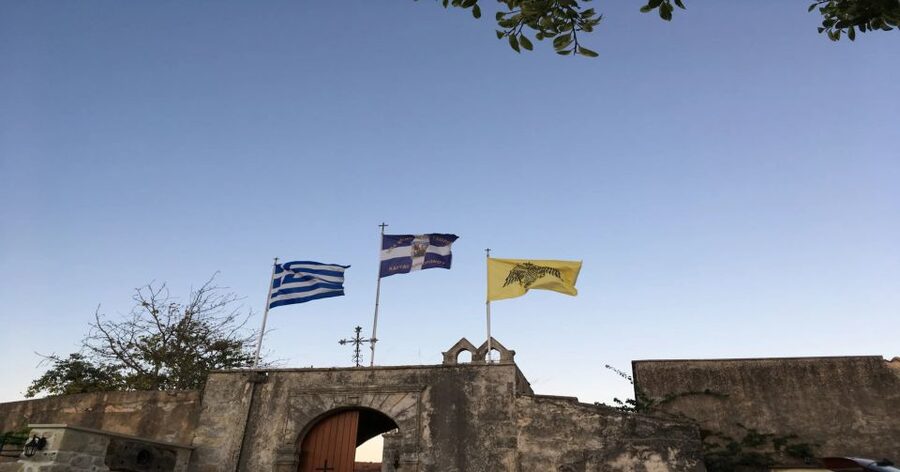
A separate stop is at an abandoned monastery complex in an undisclosed location, with views over the Aegean. The unknown location adds to the sense of discovery, but it also means you should not expect to plan a return visit independently from the information provided. This is the kind of stop where a local guide’s route knowledge is especially useful.
The final chapel and the view over the Aegean
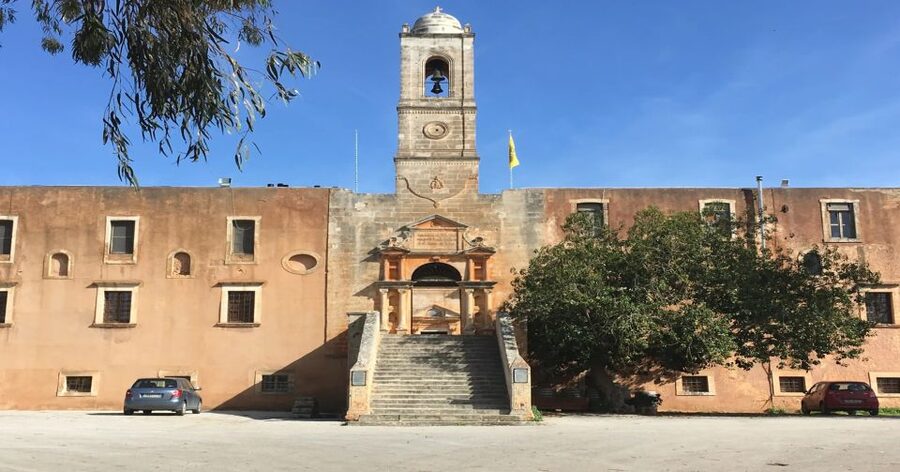
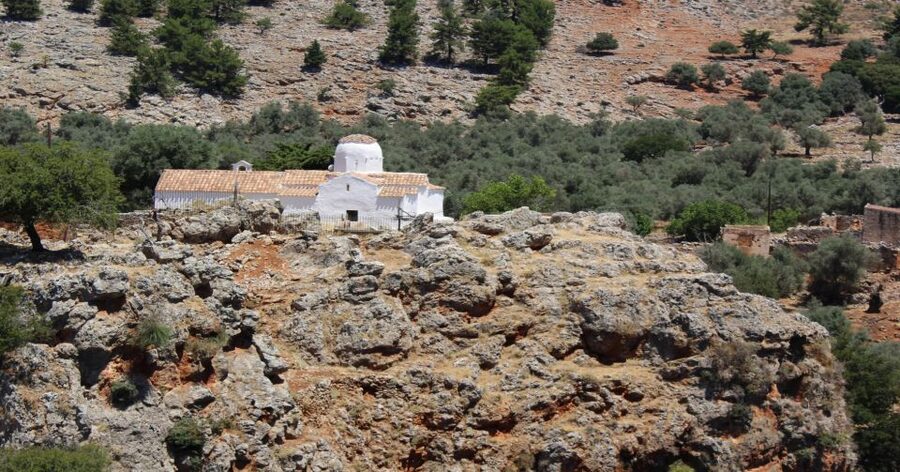
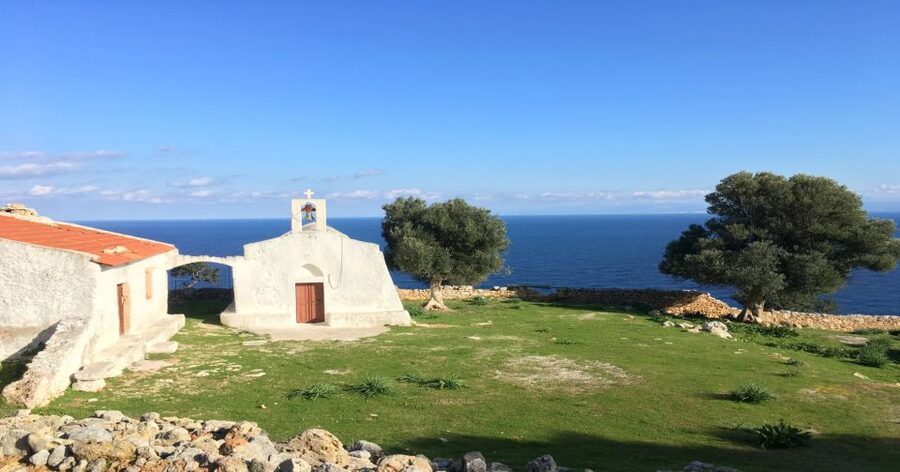
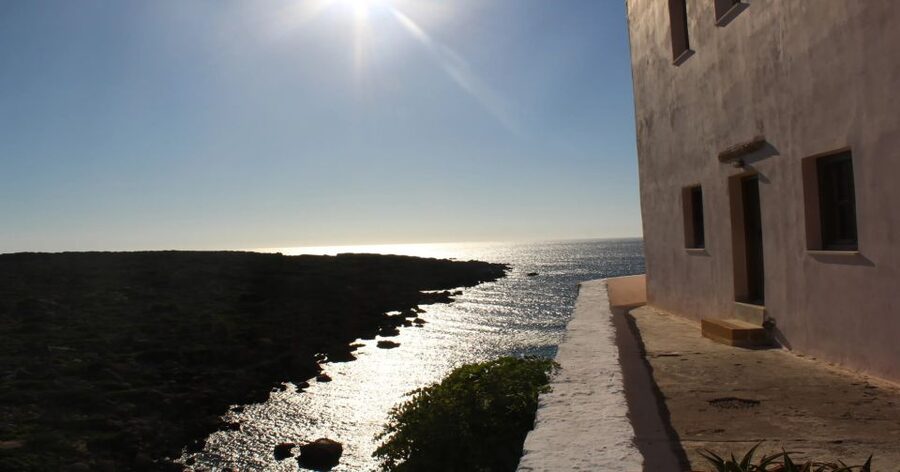
The day ends at an abandoned monastery complex and a whitewashed chapel dedicated to the Virgin Mary. The chapel’s setting is a highlight: the tour description emphasizes broad, breathtaking views, making this a fitting final pause after a day of religious sites and rural roads.
This last stop offers a different kind of value from the archaeological visits. You can take photographs and pay your respects, but the point is also to end the day quietly, with time to absorb the contrast between active monasteries and places now left behind. The landscape is part of the experience here, not mere scenery between churches.
Because this is a private excursion, the guide can allow more time at places that interest you and make possible diversions. One couple, for example, was able to favor monasteries by the water. That does not guarantee a particular detour, but it shows why it is worth telling the guide your priorities before or during the tour.
What the private format and guide add
The guide is a central part of the experience. The tour calls for a professional guide certified by Greece’s Ministry of Tourism, with a degree in history and a specialization in Byzantine archaeology. The guide is described as trilingual in English, German and Greek, while the activity information lists live guiding in English and Greek. If you need German, confirm availability before booking.
A guide named Apostolis led several departures and was praised for explaining details clearly, adapting stops and making the day feel conversational. His patience and local knowledge were especially valued, and one small group described feeling as if they had spent the day with a well-informed friend. Guides can vary, so treat Apostolis’s name as a useful reference, not a guarantee that he will lead your departure.
Private transport is in a modern air-conditioned vehicle, with hotel pickup and drop-off from central Chania areas. The tour can also serve as a shore excursion, with coverage of Chania and Souda cruise port. Pickup instructions ask you to wait in the hotel lobby ten minutes before the scheduled time.
Is $176 per person good value?
At $176 per person, the price makes the most sense if you value a private guide and a full day of specialist interpretation. It includes the vehicle, hotel pickup in central Chania, a boxed snack and the flexibility to tailor stops. You are paying for access to a varied route and a historian’s explanations, not simply for transport between major sights.
The value is less clear if you mainly want a low-cost ride to one or two monasteries. Entrance fees are extra, as are meals and drinks bought at the stops. Add those costs to your budget, especially if you want a sit-down lunch during the village break.
For a couple or small group, private transport and the ability to ask questions can justify the higher per-person price. It may also suit cruise passengers who want a guided day rather than arranging multiple sites independently. The tour is 7.5 hours, so check that the schedule works for your port times before booking.
Clothing, pace and who should book
Wear comfortable shoes and weather-appropriate clothing. Monasteries require proper attire, and the tour advises athletic clothing and comfortable footwear. Since the route includes remote sites and mountain passages, sensible shoes are a practical choice, even though the precise walking conditions at each stop are not specified.
The experience is best for you if you enjoy religious history, archaeology and smaller sites where the guide’s explanation matters. It is also a good fit if you prefer a flexible private day to a group tour with fixed stop times. Those with a strong interest in Orthodox Christianity will have plenty to discuss; those with only a casual interest may want to confirm the balance of church visits and scenic stops before committing.
The activity is marked wheelchair accessible, but the individual sites include ruins, an underground church and remote monastery locations. If you have specific mobility requirements, ask the provider which stops and access routes will work for you. The listing also offers free cancellation up to 24 hours in advance and reserve-now, pay-later booking, useful options if plans remain uncertain.
Should you book this Chania monasteries tour?
Book it if you want to understand how Orthodox Christianity shaped Crete and you value a guide who can explain archaeology, ritual and rural life in one day. The strongest reasons to go are the unusual mix of sites, the underground church, the chance to see active monasteries and the private guide’s ability to respond to your interests.
Skip it if you are looking for a short, inexpensive sightseeing run or would rather spend a day on beaches and food. For the right person, this is a thoughtful way to see a less familiar side of Chania. Before booking, confirm your preferred guiding language, ask about entrance fees and mention any mobility needs or sites you especially want to see.
FAQ
How long is the Chania Monasteries Private Tour?
The tour lasts about 7.5 hours, starting and ending in Chania.
What is the price?
The listed price is $176 per person. Entrance fees, lunch and drinks purchased at stops are not included.
Is the tour private?
Yes. It is offered for a private group, and the route may be adjusted to suit your needs.
Which languages can I request?
The activity lists live guiding in English and Greek. The guide is also described as trilingual in English, German and Greek, so confirm German availability before booking.
What food and drink are included?
A boxed snack is included with water, a banana, an apple and chocolate. Lunch and drinks bought at the tour stops are extra.
What should I wear?
Bring weather-appropriate clothing, comfortable shoes and clothing suitable for entering monasteries.
Is hotel pickup included?
Yes. Free pickup and drop-off are included from central Chania areas. Wait in the hotel lobby ten minutes before your scheduled pickup.
Can the tour work as a cruise shore excursion?
Yes. The provider offers it as a shore excursion covering Chania and Souda cruise port.
Can I cancel for a refund?
Yes. You can cancel up to 24 hours in advance for a full refund.
Just added around Chania
- From Chania Private half day Winery-Olive factory-Kournas lake★ 5.0 · 50 reviews
- Winery Tour and Kourna’s Lake from Rethymno★ 5.0 · 4 reviews
- Wine, Dine & Divine: A Cretan Odyssey in Chania.★ 5.0 · 5 reviews
- Wine Tasting: Meet the Cretan Vineyard at West Chania★ 5.0 · 22 reviews
- Wine, Beer, Olive Oil Tasting Private Tour (price per group of 6)★ 5.0 · 4 reviews
- Minoan Crete from 3.000 BC: Knossos Palace & Museum with Wineries from Chania★ 5.0 · 6 reviews
- Wine & Olive Oil Tour with lunch at the White Mountains★ 5.0 · 71 reviews
- Cruise Ship Guest Beer & Food Tour – Chania Old Port★ 5.0 · 26 reviews
Crete Private Tours, compared.
Knossos Palace Skip-the-Line Ticket & Private Guided Tour
Read our review →
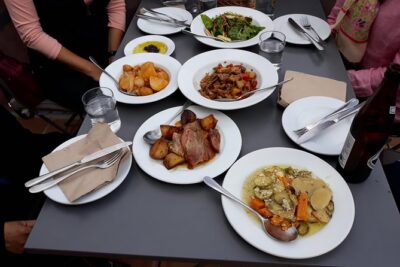
Wine & Olive Oil Tour with Lunch – Semi Private Safari Tour
Read our review →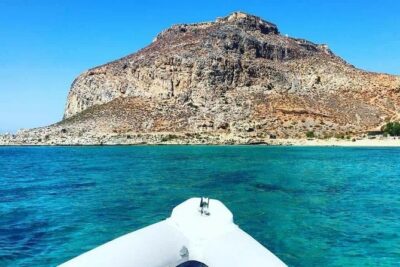
Private Boat Trip Kissamos Balos (price per group – up to 10 people)
Read our review →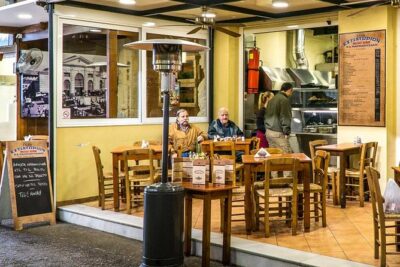
PRIVATE Walking Tour with Lunch and Wine Tasting by a Sommelier
Read our review →
Full-Day Private Custom Tour to Elafonisi the Pink Sand Beach
Read our review →
Chania old town and around private tour (price per group of 6)
Read our review →
PRIVATE-Knossos Palace-Zeus Cave-Olive Oil Tasting-Old Villages
Read our review →Browse the lists this tour appears in