
Reviewed · CRETE SCUBA DIVING
Research diving with a Marine Biologist in Crete
Crete’s sea becomes a working field site on this marine biology day. With a trained biologist, you’ll explore underwater habitats, record observations, collect data, and inspect samples in a microscope lab. It’s more than a pair of recreational scuba sessions: you’ll learn how marine research works and take part in it.
I like two things in particular: the small group of no more than four makes room for individual questions, and the combination of sea time with hands-on lab work gives the day a clear purpose. The program is tailored to your level and interests, rather than treating every certified diver the same.
One consideration: this is a full-day activity for certified, healthy divers, not an introductory lesson. At $308.58 per person, it’s a special-interest outing, and you’ll pay separately for lunch and any underwater photos you choose to buy.
At a glance
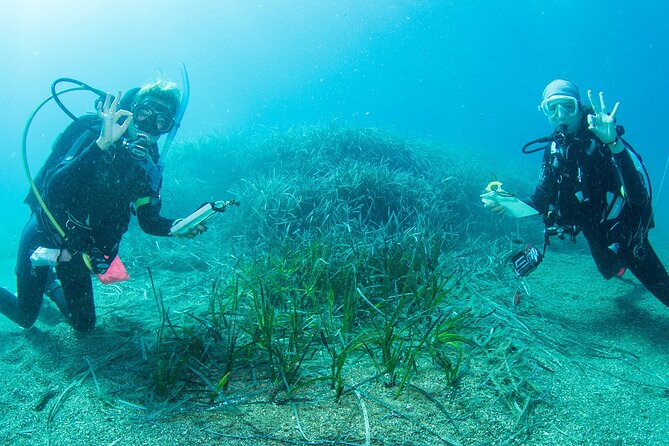
- Two scuba sessions: The day includes two outings underwater, with the plan adjusted to your certification level, experience, and interests.
- Souda Beach and Plakias: These are the named stops, though the exact order and activities at each site are not specified.
- Small private group: Only your party participates, with a maximum of four divers.
- Research with a purpose: You’ll collect observations and data as a citizen scientist, helping support marine biology projects.
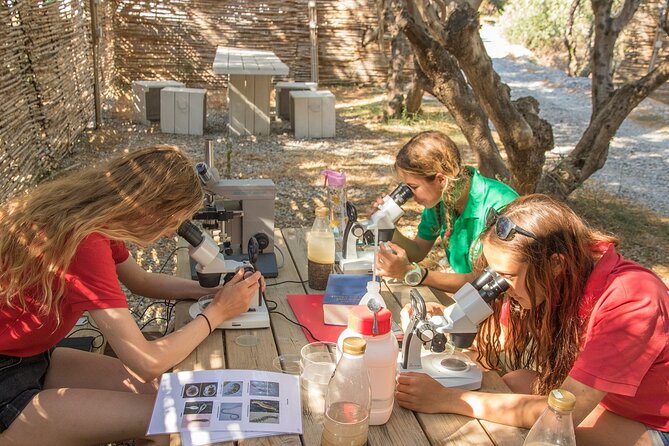
- A microscope session: Back at the open-air lab, you’ll examine samples and discuss what you saw.
- $308.58 per person: Scuba equipment, specialist marine biology equipment, bottled water, and microscope use are included. Lunch and optional photos cost extra.
A field day, not just a day at sea
The appeal here is the link between what you see underwater and what you learn on land. Before each session, the marine biologist gives a briefing about the habitat, research methods, and marine life in the area. Then you put that information to work during the outing, taking notes or collecting data as directed.
Afterward, you return to the school and marine field station in Plakias. The debrief gives you time to talk through what happened, and the microscope session offers a closer look at samples from the sea. That shift in scale matters: the Mediterranean isn’t just scenery to pass through, but a living system you can study.
The program is built around participation, not a lecture delivered from the shore. You’ll learn how marine biology research is carried out and contribute observations to citizen-science projects. The exact research activity depends on the day’s plan and your group’s interests, so it’s best to think of this as a guided introduction to field methods rather than a promise of one fixed experiment.
More dive trips around Crete:
- Heraklion: Scuba Diving Experience for Beginners _Beach
★ 4.7 · 549 reviews - Heraklion: Beginner Scuba Diving Lesson with PADI Instructor
★ 4.9 · 355 reviews - Heraklion: Scuba Diving Experience for First-Timers
★ 4.8 · 203 reviews
Souda Beach and Plakias: two named stops
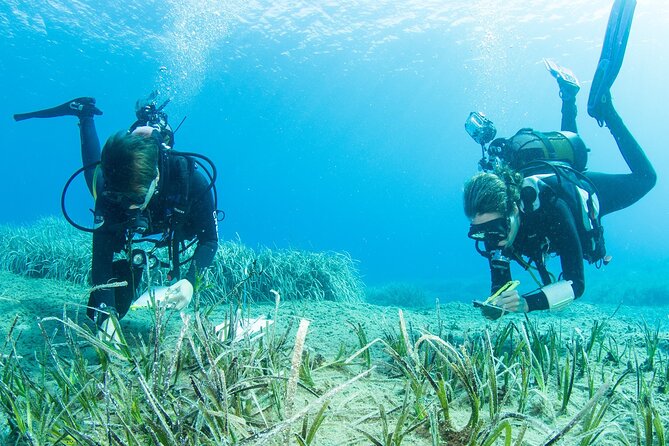
The itinerary lists Souda Beach and Plakias. The available details don’t spell out which session takes place at which site, what order you’ll visit them in, or whether the day includes travel between them. Ask the operator for the current plan if the site choice or sequence matters to you.
What is clear is that the program is tailored. The marine biologist will shape the day around your level, experience, and interests, and the briefings are meant to prepare you for what you’ll see. That flexibility is useful if your group has different levels of experience or a particular interest, such as seagrass research.
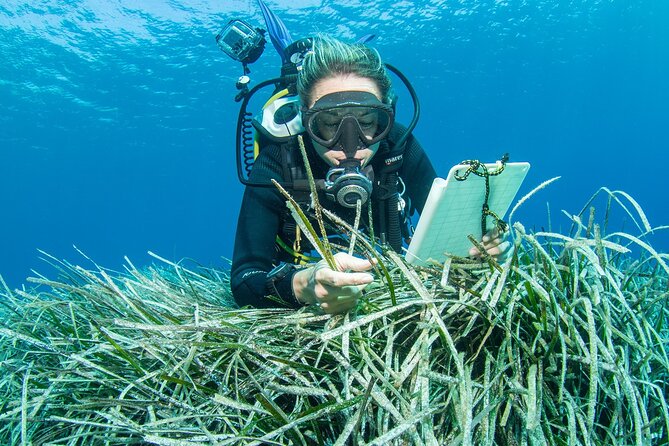
A previous seagrass-focused program included collecting sediment samples, making underwater notes, and identifying species. Those are useful examples of the kind of practical work the center may offer, but they should not be treated as a guaranteed schedule for every booking. The daily activity is designed around the group and its chosen focus.
Learning to notice more than fish
A marine biology guide changes the way you look at an underwater habitat. Instead of simply moving through the water and admiring the view, you’ll have a set of questions to consider: what lives here, how can you recognize it, and what information can you record? The briefings connect those questions to the practical work planned for your session.
The school’s marine biology team has included Vanessa, Martina, Marie-Claire, Kirsten, and Katy. These names are useful if you’re curious about who has helped lead educational programs, but the specific guide for your date isn’t confirmed in the information provided. You can ask who will lead your outing when you book.
The teaching style appears suited to people who enjoy asking questions and doing things for themselves. One marine biology course included presentations about research methods and local species, while a family program used species-recognition games and field notes. Those examples suggest an approachable, participatory atmosphere, rather than a technical course that assumes you already know marine science.
Two sessions, then the microscope
You need to be a certified diver to take part, and the day includes two scuba sessions. The program is adapted to your certification and experience, which is important: a recreational outing that includes research tasks still needs to fit the abilities of the people in the water.
The first briefing prepares you for the day’s focus. You’ll hear what to look for and how to collect or record information, then carry that learning into the first session. The second outing gives you another chance to observe and contribute. The exact content will vary with the group’s interests and the marine biology activity planned.
At the end of the day, you return to the Plakias school and field station to discuss what you experienced. Samples can be examined under microscopes in the open-air lab, which gives you a different view of Mediterranean life than you can get in the water. You’ll also have a chance to connect your observations to the research methods covered earlier.
This land-based part is a real strength. Two sessions in the sea can be rewarding on their own, but the debrief and lab time make the day feel more complete. If you like learning by doing, the combination is likely to be more satisfying than a standard recreational outing.
More trips and days out around Crete:
- From Kissamos Port: Boat Cruise to Balos Lagoon & Gramvousa
★ 4.2 · 6,755 reviews - Crete: Day Trip to Agios Nikolaos and Spinalonga Island
★ 4.6 · 4,416 reviews - From Chania: Full-Day Samaria Gorge Trek Excursion & Guide
★ 4.6 · 3,191 reviews - Agios Nikolaos: Boat Trip to Spinalonga with Swim Stop
★ 4.4 · 3,031 reviews
What the $308.58 price covers
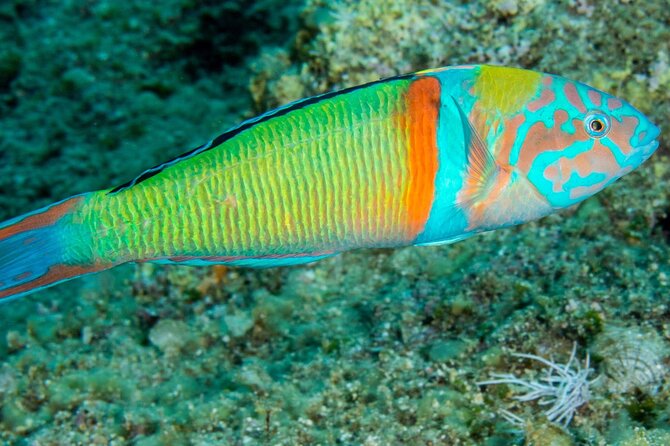
At $308.58 per person, this is not the lowest-cost way to spend a day in the sea. You’re paying for a full-day program with two scuba sessions, a trained marine biology guide, a small group, specialist research equipment, standard scuba equipment, and access to the microscope lab. Bottled water is also included.
The value depends on whether you want the research and teaching. If your main goal is simply to spend time underwater, a conventional recreational trip may be a better fit. If you’re curious about Mediterranean species, field methods, or how scientists collect data, the extra instruction and lab work give the price a clear purpose.
Lunch is not included. The group usually eats together at a beachfront taverna, but you pay for your meal separately. Underwater photos are also extra: the guide takes them, and they can be purchased for €19. You can decide after the day whether the pictures are worth adding to the bill.
A personal pace, with a firm fitness requirement
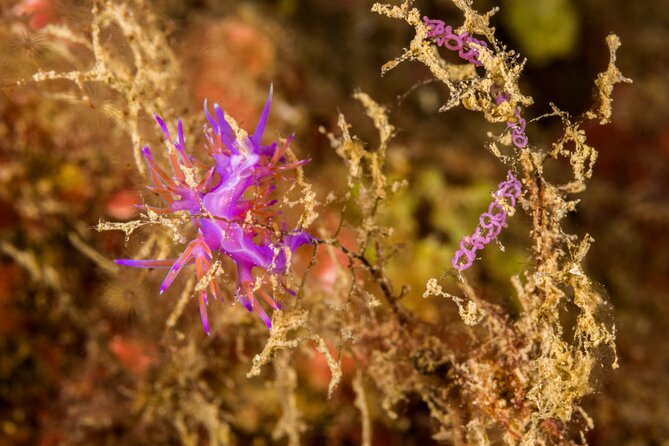
The activity is private, so only your group participates. The cap is four divers, a useful size for a program where you may want to ask questions, compare observations, or focus on a particular habitat. It also keeps the day from turning into a large group lesson.
That said, private does not mean suitable for everyone. You must be certified, healthy, and fit for scuba, and the activity calls for a moderate level of physical fitness. If you have concerns about your health or ability to participate, check with the operator before booking.
The start time is 8:30 a.m. at the five-star PADI school and marine field station on Eleftheriou Venizelou in Myrthianos, Plakias. The activity ends back at the same meeting point. It’s listed as an approximately one-day program, so keep your schedule open rather than planning a tight afternoon connection.
Bottled water and equipment are supplied, but the information does not specify what personal items or clothing you should bring. Ask the center for its current packing advice and for details about the planned site, conditions, and research focus.
Who will get the most from it
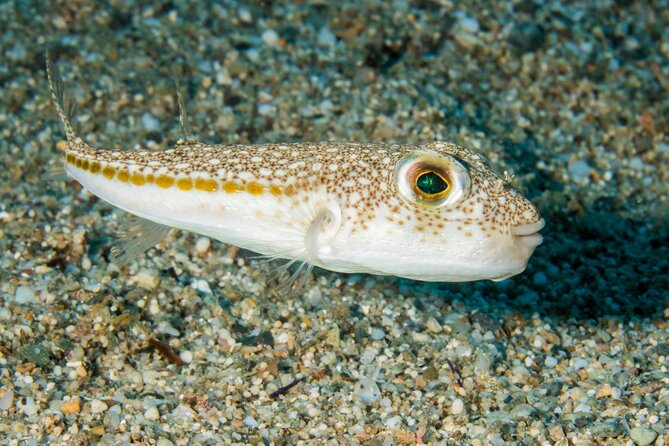
This program suits certified divers who enjoy learning as much as exploring. You don’t need to be a marine biologist, but you should be interested in observing carefully, following a briefing, and taking part in simple data collection. The microscope session adds particular appeal for curious adults, families with certified older children, and university groups.
It may also suit you if you’ve already spent time on recreational scuba outings and want something more purposeful. One family of certified divers used a two-day program to move from getting familiar with a site to collecting sediment samples and examining them in the field lab. That example shows how the center’s educational approach can build across multiple days, though this booking is for one day.
Skip it if you aren’t certified, don’t want a full day built around two underwater sessions, or have no interest in the research side. The activity is designed around scuba and marine biology, not as a casual beach excursion or a beginner lesson.
Practical details before you book
The experience is offered in English, and confirmation is provided at booking. You can cancel for a full refund up to 24 hours before the start time. Within 24 hours, cancellations are not refunded and changes are not accepted.
Before paying, confirm the day’s research theme, which sites are planned, and who will lead your group. That’s especially helpful if you have a particular interest, such as seagrass, or want to know how the sessions will be adapted to your certification and experience. Also budget for lunch and decide whether you’re likely to want the optional €19 photo purchase.
Should you book this marine biology day?
Book it if you’re a certified diver who wants to understand what you’re seeing, not just pass through it. The strongest case is the mix of a small group, biologist-led briefings, citizen-science work, and microscope time back at the Plakias field station.
At $308.58, it makes most sense for someone who values the educational side as much as the two scuba sessions. If you’re after a straightforward recreational outing, compare other options. If you’re curious about the Mediterranean’s small-scale life and willing to spend a full day learning how to observe it, this is a thoughtful and distinctive choice.
FAQ
Do I need to be a certified diver?
Yes. You must be a certified diver to participate.
How many scuba sessions are included?
The one-day program includes two scuba sessions.
How many people can join?
The activity is private to your group, with a maximum of four divers.
Where does the activity start and end?
It starts at the PADI school and marine field station in Plakias and ends back at the same meeting point.
What time does the day start?
The start time is 8:30 a.m.
Are scuba and marine biology equipment included?
Yes. Use of scuba equipment and specialist marine biology equipment is included, as is access to microscopes in the open-air lab.
Is lunch included in the price?
No. The group usually eats at a beachfront taverna, but you pay for lunch separately.
Are underwater photos included?
No. The guide takes underwater photos, which you can purchase separately for €19.
Just added around Crete
- South Crete: Small group Full Day/ Sunset Sailing & Lunch★ 4.5 · 28 reviews
- Preveli Beach and Damnoni Kourtaliotikowaterfalls from Rethymno★ 5.0 · 23 reviews
- Full Day 4×4 Self-Drive Safari Tour in Crete with BBQ Lunch★ 5.0 · 68 reviews
- Small Group Sailing Cruise from Agios Nikolaos in Mirabello Bay★ 5.0 · 21 reviews
- Snorkeling Trip to Kourtaliotiko Gorge Waterfalls, Plakias, Crete★ 4.5 · 64 reviews
- Private Vehicle & Driver from Chania – Customizable Tour★ 5.0 · 23 reviews
- Knossos & Archaeological Museum Shared Guided Tour from Chania★ 5.0 · 41 reviews
- Crete Introductory Scuba Diving Experience★ 4.5 · 9 reviews
Crete Scuba Diving, compared.
Beginner Scuba Diving Lesson with PADI Instructor
Read our review →
Chania: Snorkeling & Scuba Dive for Beginners by Boat
Read our review →
Try Scuba Diving 2shore dives(Receive Certification)
Read our review →Browse the lists this tour appears in