
Reviewed · CRETE OLIVE OIL TOURS
Olive Oil Tasting Tour
At Koronekes Olive Mill, olive oil is not a mystery in a bottle. You begin in a courtyard among olive trees, then see the machinery behind production before tasting the results. I like that the hosts explain both the older first cold pressed method and modern cold extraction, and that the tasting includes more than oil: you’ll also try flavored oils, sweet vinegar, and grape syrup.
I also like the private format, which gives your group room to ask questions and move at its own pace. One consideration: this is a focused visit to a mill, not a broad tour of Crete’s countryside, so it suits you best if food, farming, or olive oil interests you.
What to know before you go
- Start in an olive-tree courtyard: The visit opens with a conversation about organic olive farming in a setting that puts the subject right in front of you.
- Compare two production methods: You’ll see the machinery used for first cold pressing and hear how cold extraction with a centrifuge works.
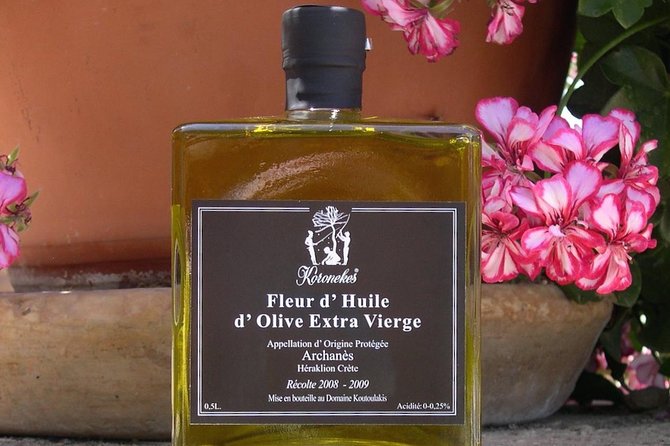
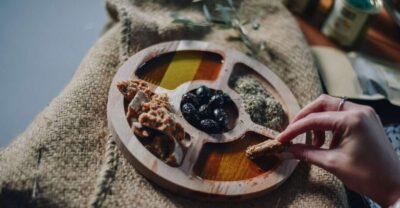
- Taste seven products: The tasting includes three qualities of extra virgin olive oil, two flavored oils, sweet vinegar, and petimezi, a grape syrup.
- Ask questions in a private group: Only your party takes part, making it easier to ask about the process and the differences between oils.
- Allow about an hour to 80 minutes: The visit is short enough to fit into a driving day, though the exact duration can vary.
From the courtyard to the olive mill
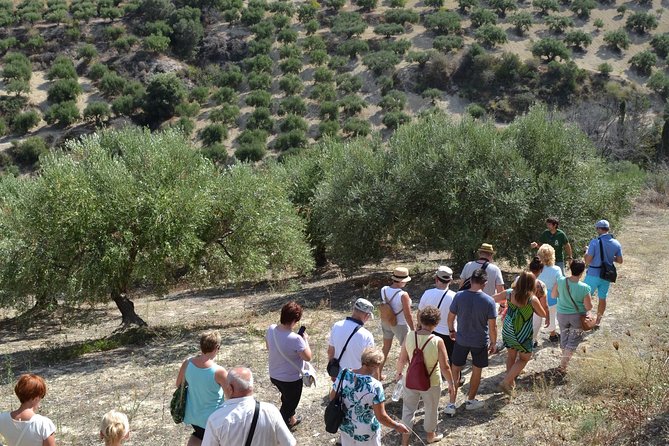
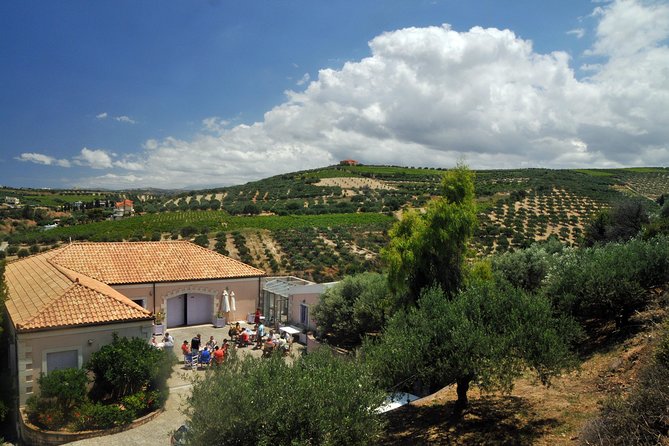
The visit begins at Koronekes Olive Mill in Epanos Archanes, in a courtyard surrounded by olive trees. It’s a useful start: rather than hearing about olive farming in the abstract, you can look at the trees while the hosts explain their approach to organic cultivation.
This opening also sets a relaxed pace. You’re not being rushed through a large attraction or shuttled between stops. The experience is centered on one mill and the people who make its oil, so you have time to listen and ask questions.
The setting is part of the appeal, but keep expectations grounded. The courtyard is a working mill’s outdoor space, not a formal garden or a scenic lookout. Its value is in the direct link between the trees and the product you’ll taste.
The hosts speak English, and the visit is private for your party. That matters if you want to ask basic questions about what extra virgin means, or more detailed ones about farming and production, without feeling that you’re holding up a larger group.
More olive oil tastings around Crete:
- Crete: Quad Safari, Olive Mill with Tasting & Ghost Village
★ 4.9 · 1,004 reviews - From Chania: Olive Oil, Wine, Cheese & Honey Tasting Tour
★ 4.6 · 490 reviews - Crete: Road-trip to Lasithi Plateau & Olive Mill Farm
★ 4.4 · 420 reviews
Seeing how the oil is made
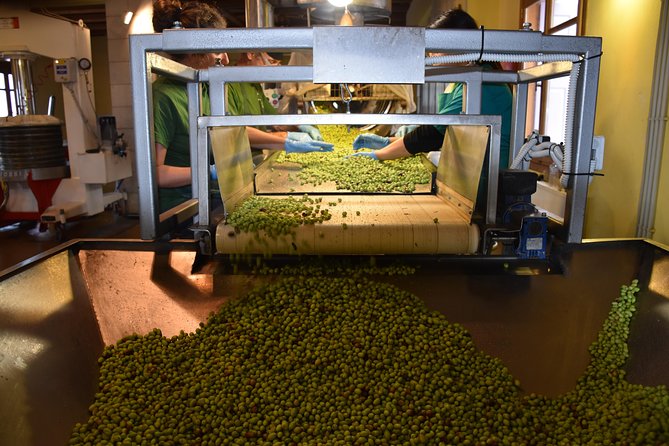
Inside the mill, the hosts explain the first cold pressed method and show you each machine. You’ll also hear about cold extraction, a modern method that uses a centrifuge. The chance to compare the two approaches is the most instructive part of the visit: instead of treating olive oil as a single finished product, you see how production choices shape what ends up in the bottle.
The explanation is meant to be practical. The hosts walk you through the equipment and the process, then connect that production knowledge to the tasting. If you’ve ever stood in a shop wondering why one bottle costs more than another, this is the kind of background that can help you ask sharper questions.
The mill’s emphasis is on careful work, including hand sorting olives and pressing, rather than relying only on a faster commercial centrifuge process. You’ll hear how that labor-intensive approach fits into making high-quality oil. The visit also discusses the modern centrifuge method, so the focus is on understanding both, not on pretending there is only one way to produce olive oil.
Expect an explanation, not a long technical seminar. The visit lasts around an hour to 80 minutes, and the machinery demonstration is part of a compact experience that also includes the tasting. If you want a detailed lesson on every stage of olive growing and oil chemistry, this may feel brief. If you want a clear introduction you can use at the dinner table or market, the format makes sense.
Learning to taste extra virgin olive oil
The tasting gives you three qualities of extra virgin olive oil to compare. That side-by-side approach is more helpful than sampling one oil alone: differences in aroma and flavor are easier to notice when you can move between examples.
You’ll also learn how to taste oil and identify extra virgin olive oil. The useful lesson is that tasting is not just a matter of deciding what you like. You’re encouraged to pay attention to what is in the glass and to ask questions about how quality is assessed.
The tasting includes two flavored oils. These are described as blended rather than infused, a distinction worth asking about if you’re curious how the flavors are made. You can compare them with the plain oils and decide which style suits your cooking or palate.
The other tastes round out the session: sweet vinegar and petimezi, a delicious grape syrup. Petimezi is a different kind of product from olive oil, so it adds variety and gives you another taste of local food-making. The experience does not specify exact flavors, olive varieties, or serving pairings, so go in ready to sample what is offered rather than expecting a fixed menu beyond the listed products.
Most of all, the tasting works because it follows the production explanation. You first hear how the mill approaches the oil, then taste several examples with that context in mind. It turns a quick sampling into a lesson you can take with you when choosing oil later.
A small, personal visit
This is a private tour, so only your group participates. That can be a real advantage if you prefer a quiet visit or want to ask questions at your own pace. It also means the experience is tailored to your party, rather than built around a larger group’s schedule.
The hosts are central to the visit. Their explanations cover farming, machinery, and tasting, and the experience is built around their work at the mill. The feedback about the visit repeatedly points to clear explanations, friendly hosting, and good English. Those qualities matter here because the tour’s value comes less from elaborate staging than from learning directly from the people who make the oil.
You might find the conversation especially useful if you already cook with olive oil or are curious about what makes one oil different from another. If you’re only looking for a quick tasting with no explanation, the production discussion may be more than you need. The format works best when you’re willing to listen, compare, and ask a few questions.
More food and drink stops around Crete:
- Crete: Sunset or Morning Quad with Local Products Tasting
★ 4.9 · 1,135 reviews - Heraklion: Olive Farm Tour with Tasting of Local Delicacies
★ 4.9 · 411 reviews - Chania: Old Town Highlights Guided Tour with Street Food
★ 4.9 · 407 reviews - From Chania: Wine and Olive Oil Tasting Tour with Snacks
★ 4.8 · 354 reviews
Is the visit worth $19.36?
At $19.36 per person, the price is modest for a private experience that includes a guided look at the mill and a tasting of seven products. You’re not paying for a long excursion or transport; you’re paying for direct instruction, access to the production space, and a chance to compare several oils with the hosts’ guidance.
The value is strongest if you want to understand what you’re tasting. Three extra virgin oils let you compare qualities, while the two flavored oils, vinegar, and grape syrup give the session more range than a simple oil sample. If you’re not interested in food production, the price may feel less compelling, since the visit is tightly focused on olive oil and its related products.
The short duration helps make the cost easier to fit into a day. Plan for roughly 60 to 80 minutes, then add time for getting to the mill and continuing your route. It is often booked about 19 days in advance on average, so if it’s a priority for your plans, booking ahead is sensible.
Fitting Koronekes into a Crete day
The meeting point is Koronekes Olive Mill, with no street name listed, in Epanos Archanes, postal code 701 00. The activity ends back at the same point. Since no transport is included in the stated details, plan your own way there and check the location carefully before setting off.
The visit offers different tour times, which can help if you’re arranging a drive through the olive- and wine-growing area south of Heraklion. Its compact length makes it a practical stop on a day when you want a hands-on activity without giving up the whole schedule.
There is no need to dress for a long hike or prepare for strenuous activity based on the information provided. Most people can participate, and service animals are allowed. Confirmation arrives at booking, and the mobile ticket is convenient to keep on your phone.
Cancellation is free up to 24 hours before the start time. Changes made later than that are not accepted, and cancellations inside the 24-hour window are not refunded. Keep the local time in mind if your plans change.
Who will enjoy this olive mill visit
I’d recommend this visit to curious eaters, home cooks, and anyone who has wondered what extra virgin olive oil actually means. It is also a good fit for a couple or small family group who would rather talk with a producer than join a large, scripted tour.
It suits a driving day particularly well. You can learn something concrete, taste several products, and be back at the meeting point in about an hour to 80 minutes. The private format also makes it a comfortable choice if your group prefers to set the tone of the conversation.
If your main goal is sweeping scenery, ancient sites, or a full-day excursion, choose something else and consider this only if you have spare time. Koronekes is a focused food experience, and its strengths are the direct explanations, working mill, and guided tasting.
Should you book it?
Book Koronekes if you want a short, personal introduction to olive oil production and tasting, especially if you enjoy asking how food is made. The chance to compare three extra virgin oils after seeing the mill gives the visit a clear purpose, and the additional flavored oils, vinegar, and grape syrup make the tasting feel complete for its length.
Skip it if you’re looking for a broad sightseeing tour or have little interest in tasting and production methods. But if olive oil is part of how you cook, shop, or enjoy Greek food, this is a good-value way to learn what to notice in the bottle.
FAQ
How long does the olive oil tasting tour last?
Plan on about one hour to 80 minutes. The visit at the mill is listed as one hour, while the overall estimated duration allows a little extra time.
Where does the tour begin and end?
It begins at Koronekes Olive Mill in Epanos Archanes, Greece, postal code 701 00. It ends back at the same meeting point.
What will I taste?
You’ll taste three qualities of extra virgin olive oil, two flavored oils, sweet vinegar, and petimezi, a grape syrup.
Is the tour private?
Yes. Only your group participates, so the visit is private.
What languages are offered?
The tour is offered in English.
Can I cancel for a refund?
Yes. You can cancel at least 24 hours before the experience starts for a full refund. Cancellations made less than 24 hours in advance are not refunded.
Just added around Crete
- Preveli Beach and Damnoni Kourtaliotikowaterfalls from Rethymno★ 5.0 · 23 reviews
- South Crete: Small group Full Day/ Sunset Sailing & Lunch★ 4.5 · 28 reviews
- Full Day 4×4 Self-Drive Safari Tour in Crete with BBQ Lunch★ 5.0 · 68 reviews
- Small Group Sailing Cruise from Agios Nikolaos in Mirabello Bay★ 5.0 · 21 reviews
- Snorkeling Trip to Kourtaliotiko Gorge Waterfalls, Plakias, Crete★ 4.5 · 64 reviews
- Private Vehicle & Driver from Chania – Customizable Tour★ 5.0 · 23 reviews
- Knossos & Archaeological Museum Shared Guided Tour from Chania★ 5.0 · 41 reviews
- Sarakina Gorge hiking & swim Adventure – Jeep Safari South Crete★ 5.0 · 19 reviews
Crete Olive Oil Tours, compared.
Knossos-Zeus Cave -Old Traditional Villages-Olive Oil Factory
Read our review →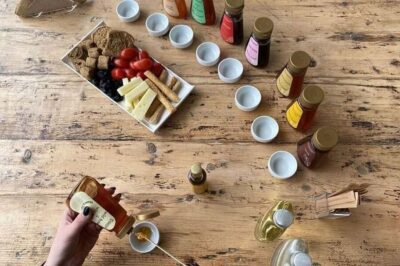
Olive Farm Tour with Tasting of Local Delicacies
Read our review →
Zeus Cave, Lassithi Plateau, Olive Oil Factory, Kritza, Pottery
Read our review →

Knossos, Lasithi, Lasinthos and Olive Farm Combo Tour
Read our review →Browse the lists this tour appears in