
Reviewed · CRETE
Koumoulia Ceramics / Ceramics courses
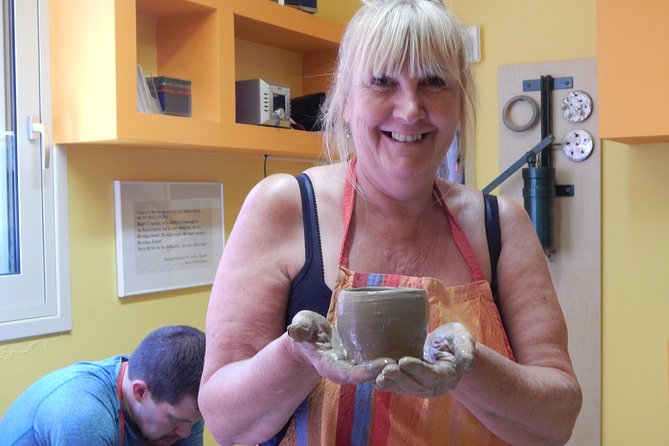
A two-hour pottery class gives you a different way to spend an afternoon in Crete: instead of looking at finished craft, you get your hands into the process. The session begins with a short workshop tour and an explanation of how clay becomes a useful object, then moves on to making your own piece by hand or on the wheel.
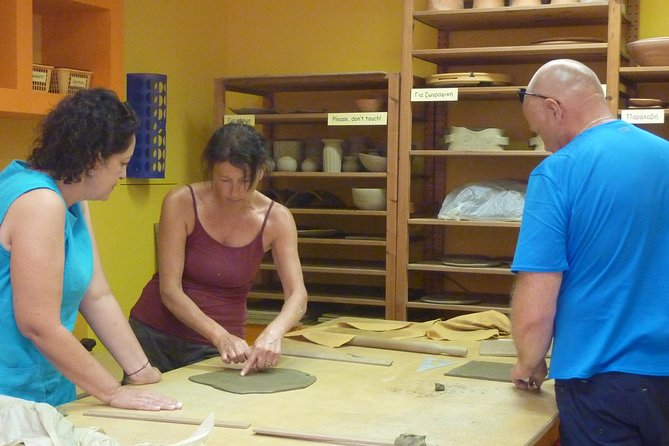
I like two things about this setup: the small group, capped at five, leaves room for individual help, and you get to try more than one way of working with clay. The class is offered in English, so the instruction should be easy to follow for English-speaking visitors.
The main catch is that you may not leave with a finished keepsake that day. Pieces need three to four days to dry, glazing takes another firing, and that second firing is not included in the price. Get clear on collection, firing, and shipping costs before you book.
At a glance
- You start with a workshop tour: Learn about the stages clay passes through before trying the material yourself.
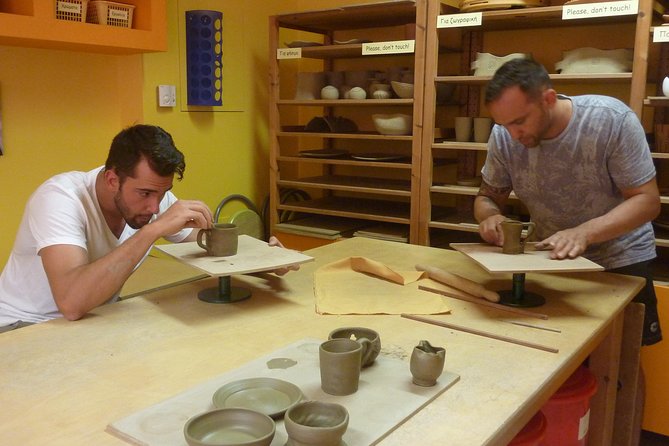
- You can try hand-building and wheel work: The instructor demonstrates techniques for both approaches.
- Your work takes time to finish: Drying takes three to four days, depending on the piece and weather.
- Glazing is an extra step: Glazed work needs a second firing, which takes about two more days and costs extra.
- The class is small: No more than five people can take part.
- Check the location details: The class begins and ends at the same meeting point near Iraklio, but one visitor had trouble finding it.
A pottery lesson, not a finished souvenir
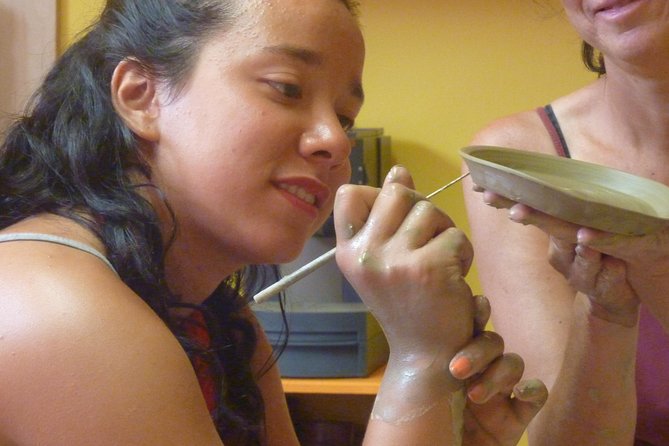
This is a hands-on introduction to ceramics, not a visit to a shop where you simply choose a ready-made pot. You first see the workshop and hear how clay changes from an amorphous mass into a useful object. Then the instructor shows you techniques for making your own piece by hand or on a wheel.
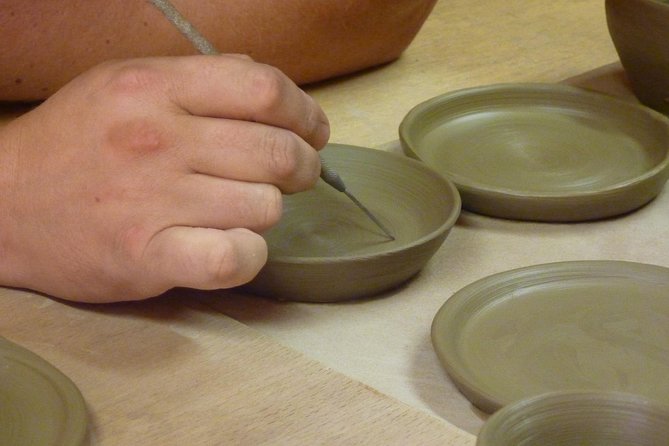
That brief explanation matters. Pottery can look simple when you see the finished object on a shelf, but the class introduces some of the steps between raw clay and a usable form. You do not need to arrive with a design in mind. The point is to try the methods and see what the clay allows you to make.
The class lasts about two hours and is offered in English. With a maximum of five participants, this is a more personal setup than a large group demonstration. You can ask for help as you work, though the available details do not promise a particular amount of one-to-one instruction.
The instructor’s name is not provided, so you cannot request a named teacher. What is clear is that the class includes a guided introduction to the workshop and practical demonstrations before you begin making your own piece.
Other days out people book around Crete:
- From Kissamos Port: Boat Cruise to Balos Lagoon & Gramvousa
★ 4.2 · 6,755 reviews - Crete: Day Trip to Agios Nikolaos and Spinalonga Island
★ 4.6 · 4,416 reviews - From Chania: Full-Day Samaria Gorge Trek Excursion & Guide
★ 4.6 · 3,191 reviews
Trying hand-building and the pottery wheel
You are shown different ways to shape clay, including hand-building and working on a wheel. These give you two distinct approaches to the same material. Hand-building lets you form an object directly with your hands; wheel work introduces a different method that the instructor demonstrates for you to try.
The class promises a chance to experiment with techniques, rather than a guarantee that every participant will finish a particular kind of object. Your result will depend on what you make and how you work with the clay. If you have a specific item in mind, ask before starting whether it is realistic within the session.
A short class is a good fit if you want a taste of pottery without committing to a longer course. It also lets you find out whether you enjoy the physical process before signing up for more instruction elsewhere. But two hours is still a short window, especially when the class includes both an introduction and time to create. Go in expecting a first try, not a polished piece made at professional speed.
The most useful question to ask during the demonstration is what happens after the shaping stage. The finishing process affects what you can take home, how soon you can get it, and what you will pay beyond the class fee.
Drying, firing, and getting your piece home
Your creations need about three to four days to dry. The timing depends on how you made them and on the weather, so there is no guaranteed collection date immediately after class.
Once the piece has dried, you can collect it or choose to have it glazed in a colour you like. Glazing requires another firing, which takes about two more days. That second firing is not included in the class price.
There is an important practical distinction here: making a piece, drying it, firing it, and glazing it are not all the same stage. The description says the finished craft can be collected once cooked, but the additional cost of the second firing is explicit. Before you pay, ask the workshop what is included in the price for the first firing, what any extra firing costs, and when the piece will be ready. That will spare you an unpleasant surprise at the end of an otherwise enjoyable afternoon.
You can collect your work from the workshop. If you cannot return, it can be sent to an address you choose at your own expense. Overseas shipping can be fairly expensive, so do not count on taking a fragile, unfinished object home in your luggage without checking its status and packing needs.
One visitor had expected to take home a usable piece and was disappointed when that did not happen. The provider’s response said firing had been declined because shipping to the United States was costly. The useful lesson is simple: settle the finishing and delivery plan before you start, especially if you are leaving Crete soon or traveling internationally.
The two-hour schedule and meeting point
The activity starts at 3:00 pm at an unnamed road address in the Iraklio area, postal code 700 13, and ends back at the same meeting point. The stated duration is about two hours. The small group size gives the class a focused feel, but it does not tell you how much of the session is spent touring, demonstrating, or making.
One practical point deserves attention: a visitor found the workshop difficult to locate. The provider said detailed directions were available, but you should make sure you have them before setting out. The meeting point is described as an unnamed road, so do not assume that a general map pin will be enough. Confirm the precise directions and allow time to find the studio.
The activity is available as a mobile ticket, and confirmation is provided at booking. Most people can participate, according to the supplied information, but no more specific accessibility details are given. If you have a particular mobility or participation question, check directly before reserving.
There is also an unusual mismatch in the named stops associated with the experience: Rouvas Gorge (Agiou Nikolaou) and the Palace of Knossos appear, but no timing, transport, or connection to the pottery workshop is explained. The class itself is described as a two-hour workshop near Iraklio, starting and ending at one meeting point. Do not assume that either place is part of the pottery session. Ask the provider what these stop names mean before booking, particularly if you are planning the day around a visit to Knossos or the gorge.
Same island, a different kind of day:
- Agios Nikolaos: Boat Trip to Spinalonga with Swim Stop
★ 4.4 · 3,031 reviews - Heraklion: Dia Island Sailboat Cruise with Swimming and Meal
★ 4.8 · 2,579 reviews - Crete: Knossos Palace Entry Ticket with Optional Audio Guide
★ 3.9 · 2,251 reviews - Heraklion Area: CRETAquarium Admission Ticket
★ 4.4 · 2,055 reviews
Is $96.11 good value?
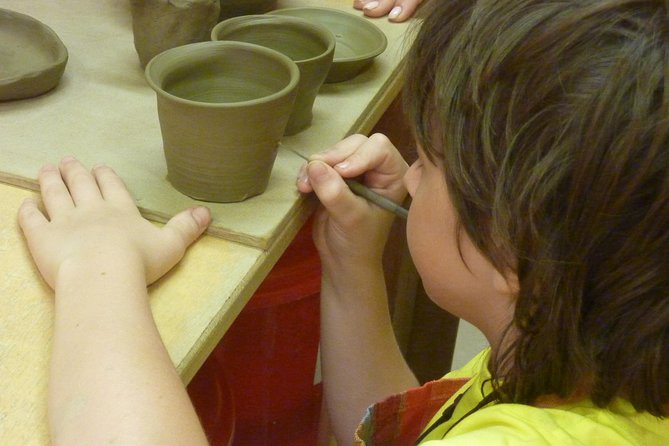
At $96.11 per person for roughly two hours, this is not a bargain-priced craft activity. You are paying for a small, guided introduction in a working pottery studio, with the chance to try techniques rather than simply watch someone else make an object. The group limit of five is a real advantage if you value room to ask questions and personal guidance.
The value depends heavily on what you expect to take away. If your goal is to learn something about pottery and enjoy making a piece, the price may feel worthwhile. If you are paying mainly for a finished souvenir to pack that evening, the extra time and possible costs for firing, glazing, or shipping change the equation.
The clearest way to judge the price is to ask what it covers. Find out whether the first firing is included, what the second firing costs, whether glazing is optional, and how collection works if you are leaving the area. Those details matter more than the headline price because the piece may need days of processing after your class.
The activity is recommended by 94% of participants and has a 4.7 rating from 33 reviews. The praise focuses on the fun of the lesson, learning pottery techniques, and friendly support. A less satisfied participant objected to the cost and the lack of a usable piece to take away. Both reactions point to the same booking decision: this works best when you value the process, and know exactly what finishing your work will involve.
Who will enjoy this class
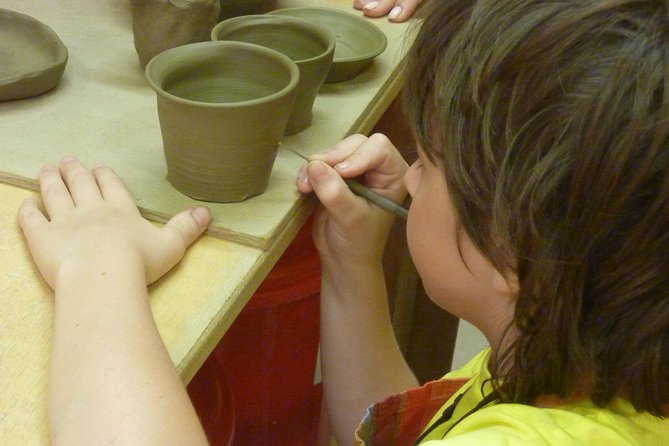
I would consider this class if you want a creative break from sightseeing and like the idea of making something with your hands. It suits curious beginners who are happy to experiment, learn a few techniques, and accept that the result may need more work after the session.
It is also a good option for a small group looking for a shared activity. With only five participants allowed, the class is less likely to feel like a crowded demonstration. The available information does not specify age limits or prior experience requirements, though it says most people can participate.
Think twice if your schedule is tight or you are leaving Crete soon. The drying period alone is three to four days, and glazing adds another two days for the second firing. Collection means returning to the workshop; shipping is possible but costs extra and can be expensive overseas.
Before booking, ask two direct questions: what will be ready for collection, and what will it cost to finish or send it? Also confirm the workshop directions and clarify why Rouvas Gorge and Knossos are named alongside a pottery class. If those details line up with your plans, the class offers a practical, enjoyable introduction to ceramics. If your priority is a finished keepsake with no follow-up, choose another activity.
FAQ
How long does the ceramics class last?
The class lasts about two hours.
What time does the class start?
The stated start time is 3:00 pm.
Where does the class begin and end?
It begins at an unnamed road address in Iraklio 700 13, Greece, and ends back at the same meeting point.
How many people can take part?
The maximum group size is five participants.
Is the class offered in English?
Yes. English is the stated language offered for the activity.
What pottery techniques can I try?
The instructor demonstrates techniques for making items by hand and on a pottery wheel.
How long do pieces take to dry?
They take about three to four days to dry, depending on how they were made and the weather.
Is glazing included in the price?
Glazing is an option, but the second firing needed for glazed pieces is not included in the price.
Can the workshop send my piece to me?
Yes. The piece can be sent to an address you choose at your own expense. Overseas shipping can be fairly expensive.
Can I cancel or change my booking?
No. The experience is non-refundable and cannot be changed; a cancellation or amendment request does not result in a refund.
Just added around Crete
- South Crete: Small group Full Day/ Sunset Sailing & Lunch★ 4.5 · 28 reviews
- Preveli Beach and Damnoni Kourtaliotikowaterfalls from Rethymno★ 5.0 · 23 reviews
- Full Day 4×4 Self-Drive Safari Tour in Crete with BBQ Lunch★ 5.0 · 68 reviews
- Small Group Sailing Cruise from Agios Nikolaos in Mirabello Bay★ 5.0 · 21 reviews
- Snorkeling Trip to Kourtaliotiko Gorge Waterfalls, Plakias, Crete★ 4.5 · 64 reviews
- Private Vehicle & Driver from Chania – Customizable Tour★ 5.0 · 23 reviews
- Knossos & Archaeological Museum Shared Guided Tour from Chania★ 5.0 · 41 reviews
- Sarakina Gorge hiking & swim Adventure – Jeep Safari South Crete★ 5.0 · 19 reviews