
Reviewed · CRETE MUSEUM TOURS
Archaeological Museum of Heraklion: Guided Walking Tour
Heraklion’s Archaeological Museum brings 5,000 years of Cretan life under one roof, from the Neolithic period to Roman times. On this 90-minute small-group tour, an English-speaking guide helps you connect the objects to Minoan religion, work, architecture, travel, and art, rather than leaving you to puzzle it all out alone.
I like two things in particular: a group capped at 10, which leaves room to follow the guide’s explanations, and a building whose Bauhaus-influenced design adds another layer to the visit. Guides Akrivi, also spelled Akviti in one account, has been especially praised for clear storytelling and for keeping children engaged.
One practical snag needs attention: the tour information says the €12 adult museum ticket is included, but also tells you to bring money for it. Confirm the arrangement before booking, and be prepared to pay separately if needed. Parking can also be difficult, so getting dropped off may save time.
Key points to know before you go
- The collection covers a long span: The guided visit connects Cretan life from the Neolithic through the Roman era.
- The guide provides the thread: Expect context on Minoan art, religion, work, architecture, and daily life, not just a sequence of display cases.
- The building has its own story: Built between 1937 and 1940, it is a significant modernist work with a Bauhaus commendation.
- Groups stay small: A limit of 10 participants makes questions and conversation easier.
- Check the ticket arrangement: The stated €12 adult admission is described as included, but the tour information also asks you to bring money for entry.
- Allow for city-center parking: Parking may be difficult; a drop-off is a useful option if available to you.
A short visit to a very long history
The tour begins at the entrance of the Heraklion Archaeological Museum, where you should look for the Meeting Point- WeGuide sign. From there, the guided visit stays inside the museum for about 90 minutes, then returns to the same starting point. There is no hotel pickup, so you will need to make your own way to the museum.
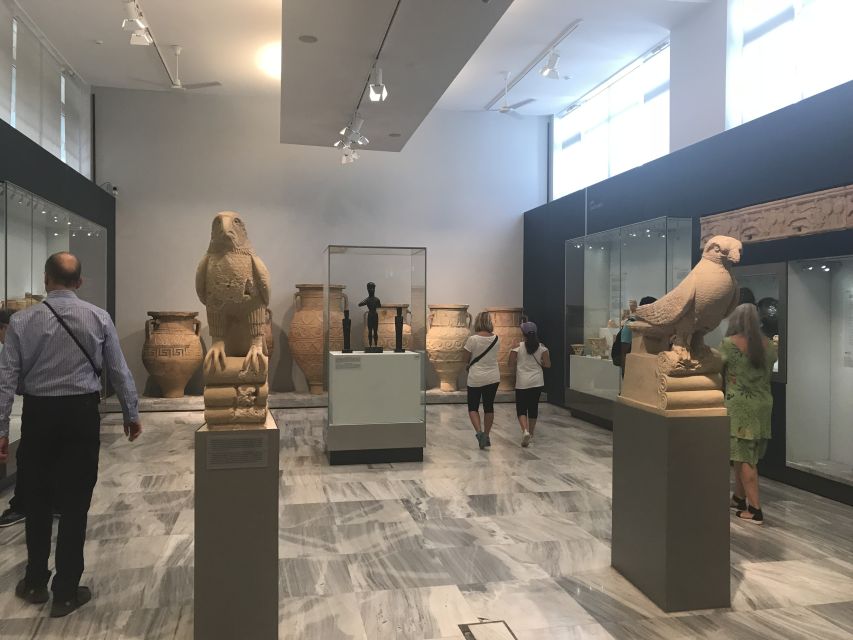
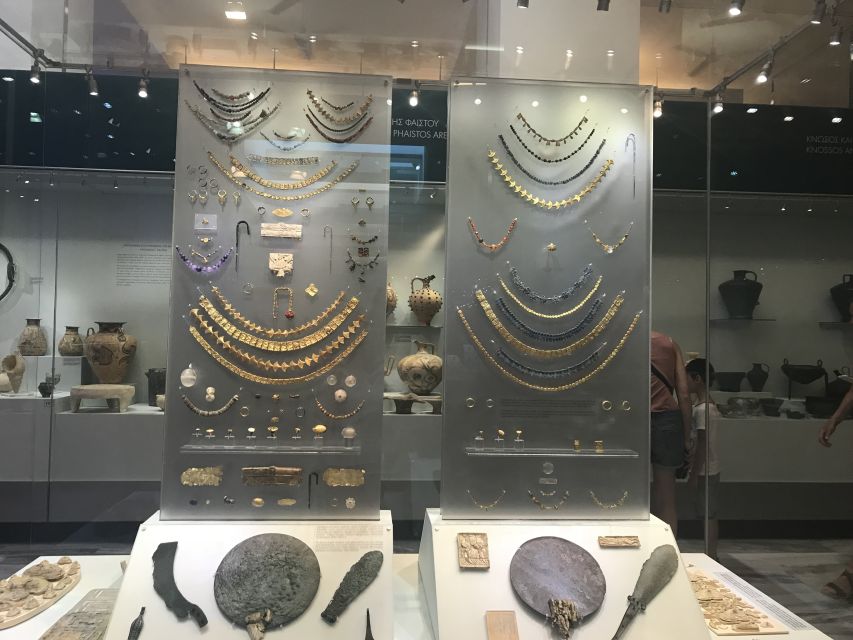
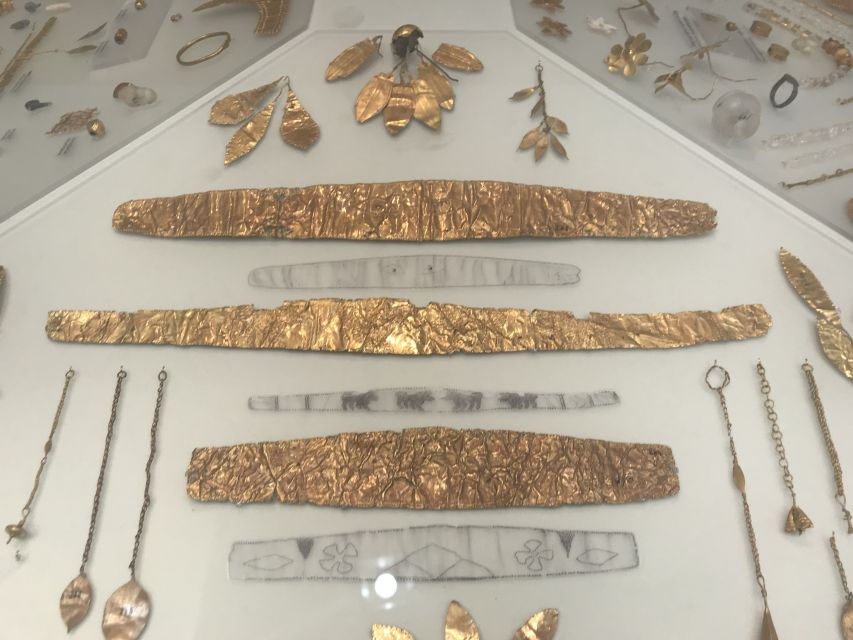
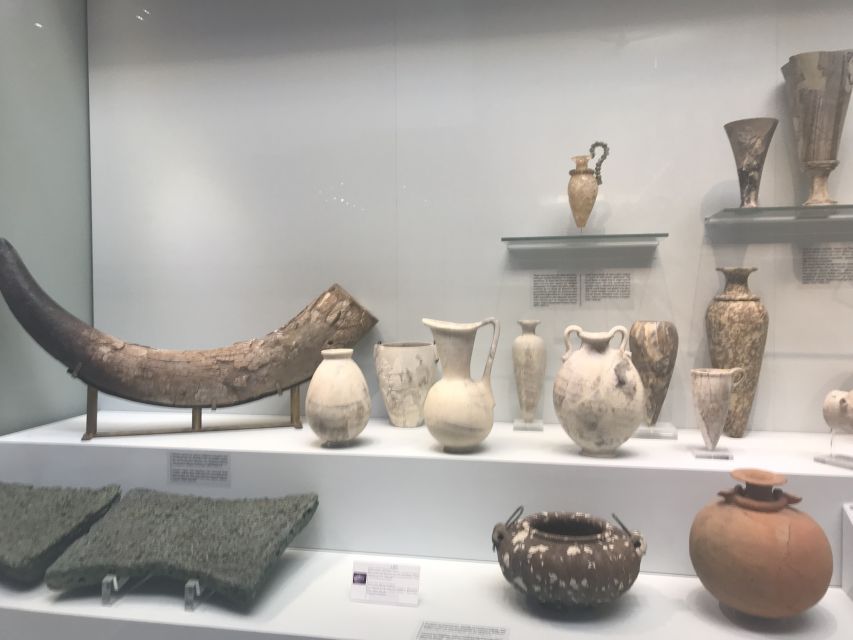
The subject is broad. The museum’s collection traces life in Crete across roughly 5,000 years, from Neolithic communities to the Roman era, with particular importance placed on Minoan culture. That span gives the guide a chance to put objects into a human setting: how people lived and worked, what they believed, how they built, travelled, and made art.
This is the main value of taking a guide rather than walking through alone. A collection this large can become a blur of cases and dates if you do not know what you are looking at. A guide can connect the displays into a story and help you notice how objects relate to the wider culture. The tour is brief, though, so think of it as a focused introduction, not an exhaustive visit to every gallery.
The museum has 27 galleries, as well as a gallery for audio-visual displays. The tour description does not specify which rooms or objects are covered, so I would not book expecting a fixed list of masterpieces. Instead, expect the guide to select and explain highlights within a short visit. If a particular part of Minoan history matters most to you, ask about it during the tour.
More museum and archaeology tours around Heraklion:
- Crete: Knossos Palace and Museum E-Tickets with Audio Guides
★ 4.0 · 126 reviews - Crete: Knossos E-Ticket with Audio Guide & Optional Museum
★ 3.8 · 48 reviews - Archaeological and Natural Beauties of South Central Crete
★ 4.8 · 20 reviews
What the Minoan focus adds
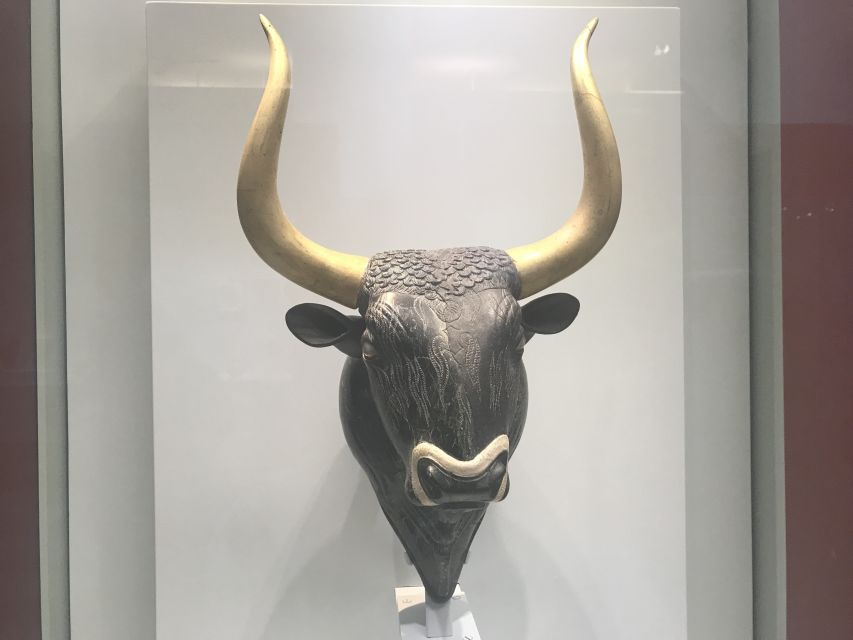
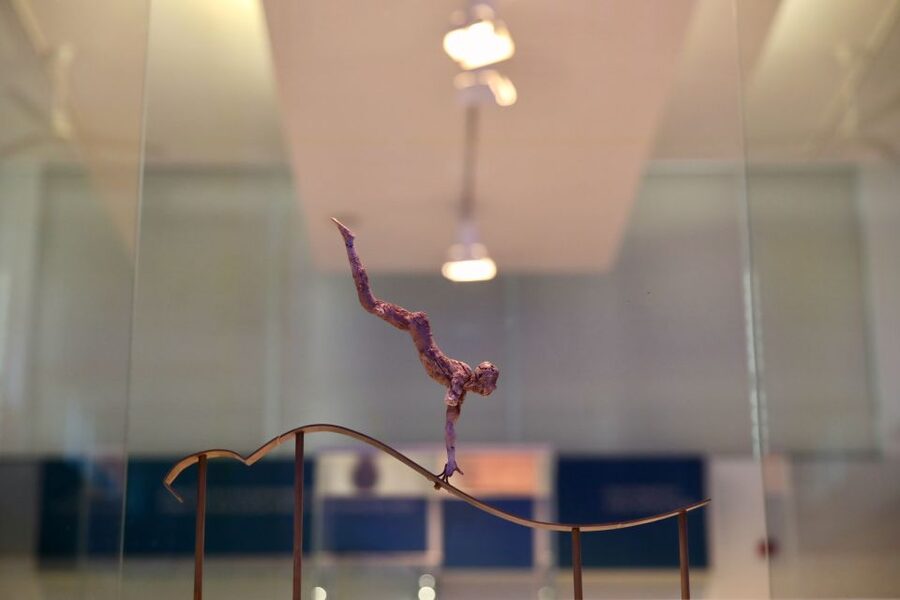
Minoan Crete is often described as Europe’s first advanced civilization, and the museum is one of the most important places to explore its art and material culture. The collection includes unique examples of Minoan art, with works regarded as major achievements. A guide helps make the significance of that collection clearer by tying the art to the society that produced it.
The tour also reaches beyond the Minoan period. Its stated historical range begins in the Neolithic and continues into Roman times, so you can see Crete as a place with a long sequence of cultures, not only a single Bronze Age chapter. That broader frame is useful if you are new to the island’s archaeology or want a primer before visiting other historic sites.
A 90-minute format has an obvious limit: no guide can explain five millennia in full detail in an hour and a half. I would treat the visit as a well-paced overview, with time to ask questions and take in selected displays, rather than a substitute for lingering in the museum on your own. If you want to study every gallery, plan extra independent time if your schedule allows.
The museum building is part of the visit
The museum is not an ancient building, despite the Minoan collection it houses. Architect Patroklos Karantinos designed it, and construction took place between 1937 and 1940. The site had previously held the Roman Catholic monastery of Saint Francis, which was destroyed in an earthquake in 1856.
The two-storey museum is an important example of modernist architecture and received a Bauhaus commendation. Its antiseismic design reflects the practical demands of building in an earthquake-prone region, while its colours and veined polychrome marbles recall Minoan wall paintings that imitated marble revetment. That is a satisfying detail: the building does not copy a Minoan palace, but its design makes a deliberate visual link to the culture inside.
The museum also includes modern laboratories, a cloakroom, a cafeteria, and a shop selling items such as museum copies, books, and postcards. These facilities are useful, but the tour’s 90-minute schedule is centered on the guided museum visit, not a long break for shopping or refreshments. Food and drinks are not included.
The guide and small-group format
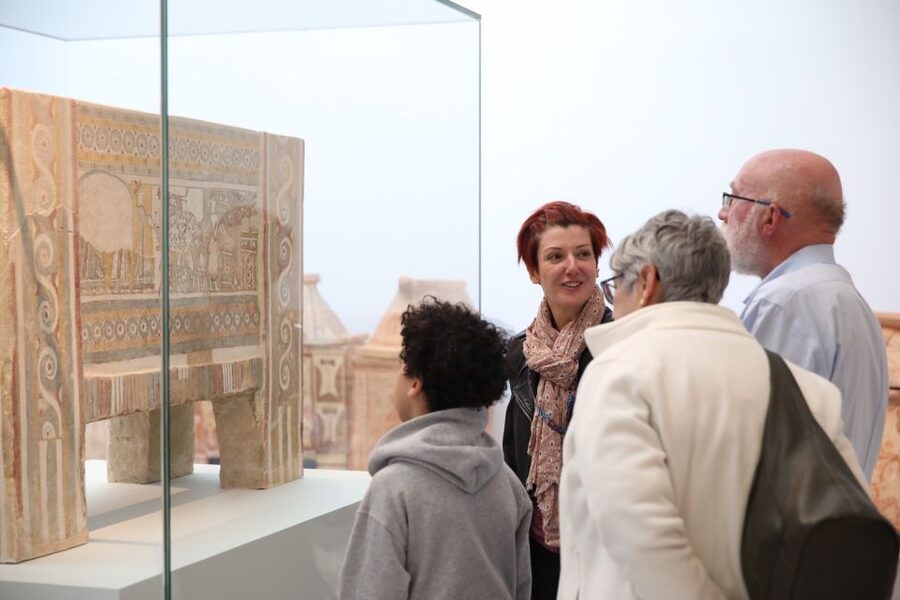
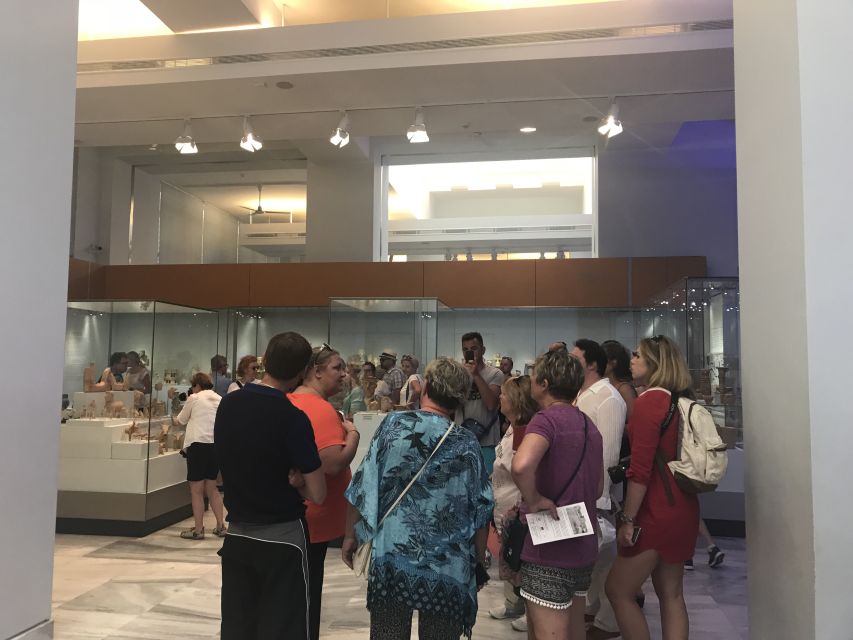
This tour is in English and is limited to 10 participants. That size is a real advantage in a museum, where a large group can make it hard to hear or see what the guide is pointing out. It also gives you a better chance to ask for clarification without holding up a crowd.
Akrivi, whose name also appears as Akviti, has received particular praise for lively explanations, strong command of current historical information, and an easy way with children. One visitor who had also taken her Knossos tour found that doing Knossos first made the museum visit more meaningful. That pairing makes sense: the site gives you a physical setting for Minoan civilization, while the museum helps explain the objects and stories connected to it.
The guide assigned to your date may be someone else, so do not treat a particular guide’s name as guaranteed. Still, the small-group format and licensed-guide requirement are useful signs that this is designed as an interpretive tour, not simply an escorted walk past display cases.
More walking tours around Heraklion:
- Heraklion Through Local Eyes – A Walking Experience
★ 5.0 · 10 reviews - Heraklion: History & Culture Walking Tour with Food Tasting
★ 4.9 · 8 reviews - Heraklion City: Greek Food Tasting Walking Tour
★ 4.6 · 7 reviews - Knossos: Labyrinth of Knossos Skip-the-Line Walking Tour
★ 4.9 · 6 reviews
Price, tickets, and the practical details
The experience is listed at $147 per person for 90 minutes, with a licensed English-speaking guide and a small-group format. The stated adult museum admission is €12. If that ticket is truly included, the remaining cost is for the guide’s time, the small group, and the value of having a clear route through a large collection. If it is not included, your total cost will be higher than the headline price suggests.
There is an inconsistency in the ticket information: entry is listed among the inclusions, yet the visitor instructions say to bring money for the €12 adult ticket, or €6 for reduced admission. This matters because it affects the real price. Contact the operator to confirm what you will pay, and bring the relevant amount in case the ticket is collected separately. If you qualify for a reduced ticket, bring your passport or ID card to show eligibility.
The tour offers skip-the-ticket-line access, which can save time at the entrance, but that does not resolve the question of whether the admission cost is included. A passport or ID is also listed among the things to bring. Comfortable shoes are sensible for a museum visit, and a camera is permitted by the supplied guidance. Pets and luggage or large bags are not allowed.
The museum is listed as wheelchair accessible. There is no hotel transfer, and food or drinks are not part of the tour. The museum is in Heraklion town center, but parking can be a headache. If you are driving, consider arranging a drop-off rather than counting on an easy place to park nearby.
You can reserve now and pay later, and cancellation is available up to 24 hours before the tour for a full refund. Starting times depend on availability, so check the schedule before building the rest of your day around it.
Who should book this tour?
I would choose this tour if you want an expert introduction to Minoan culture without spending your whole day inside the museum. It is especially useful if archaeology is new to you, if you want context for what you are seeing, or if you are visiting Knossos as well and want the two experiences to inform each other.
Families may also appreciate the small group and the guide’s ability to make the subject engaging for children, though the tour remains a museum visit focused on history and art. If you are already well versed in Minoan archaeology, or prefer to set your own pace through every gallery, an independent visit may suit you better.
Before paying, settle the ticket question. Once that is clear, the choice is straightforward: book for a guided, compact overview of one of Europe’s major archaeological collections, and leave yourself time afterward if you want to explore more at your own speed.
FAQ
How long is the tour?
The guided museum visit takes approximately 90 minutes.
What language is the tour in?
The tour is conducted in English by a live guide.
Where does the tour meet?
Meet at the entrance of the Archaeological Museum of Heraklion and look for the Meeting Point- WeGuide sign.
Is the museum entry ticket included?
The tour details list a €12 adult entry ticket as included, but also tell you to bring money to pay for museum entry. Confirm the arrangement with the operator before your visit, and be prepared to pay separately.
How large is the group?
The small group is limited to 10 participants.
Is the museum wheelchair accessible?
Yes. The activity is listed as wheelchair accessible.
What should I bring, and what is not allowed?
Bring a passport or ID card, comfortable shoes, and a camera. Pets and luggage or large bags are not allowed.
Just added around Heraklion
- SUP Safari – Catamaran Cruise Dia Island & Gourmet Delights!★ 5.0 · 9 reviews
- Heraklion: Dia Island Sunset Boat Tour with Dinner★ 5.0 · 61 reviews
- Lygaria: Private Motorboat Cruise with Snorkeling & Swimming★ 5.0 · 5 reviews
- Private tour: Archeological Museum of Heraklion★ 5.0 · 3 reviews
- Heraklion: Dia Island Private Sailing Cruise with Full Meal★ 5.0 · 6 reviews
- Minoan Path: Knossos Palace, Winery Visit, Lunch at Archanes★ 5.0 · 7 reviews
- Crete: Lasithi Plateau & Knossos Palace Tour★ 3.8 · 10 reviews
- From Heraklion Port: Highlights & Knossos Palace Shore Tour★ 4.5 · 6 reviews
Crete Museum Tours, compared.
Knossos Palace and Museum E-Tickets with Audio Guides
Read our review →
Heraklion Archaeological Museum Ticket & Audio Guide
Read our review →
Knossos Palace, Museum & Rethymno city Private Tour from Chania
Read our review →
Heraklion Highlights: Knossos, Museum & Historic City Drive
Read our review →
Knossos Palace, Museum & Heraklion City Tour From Chania
Read our review →
Lychnostatis Open Air Museum: Entry Ticket with Add-Ons
Read our review →
Knossos E-Ticket with Audio Guide & Optional Museum
Read our review →Browse the lists this tour appears in